South Korea to Introduce Cryptocurrency Regulation Bill

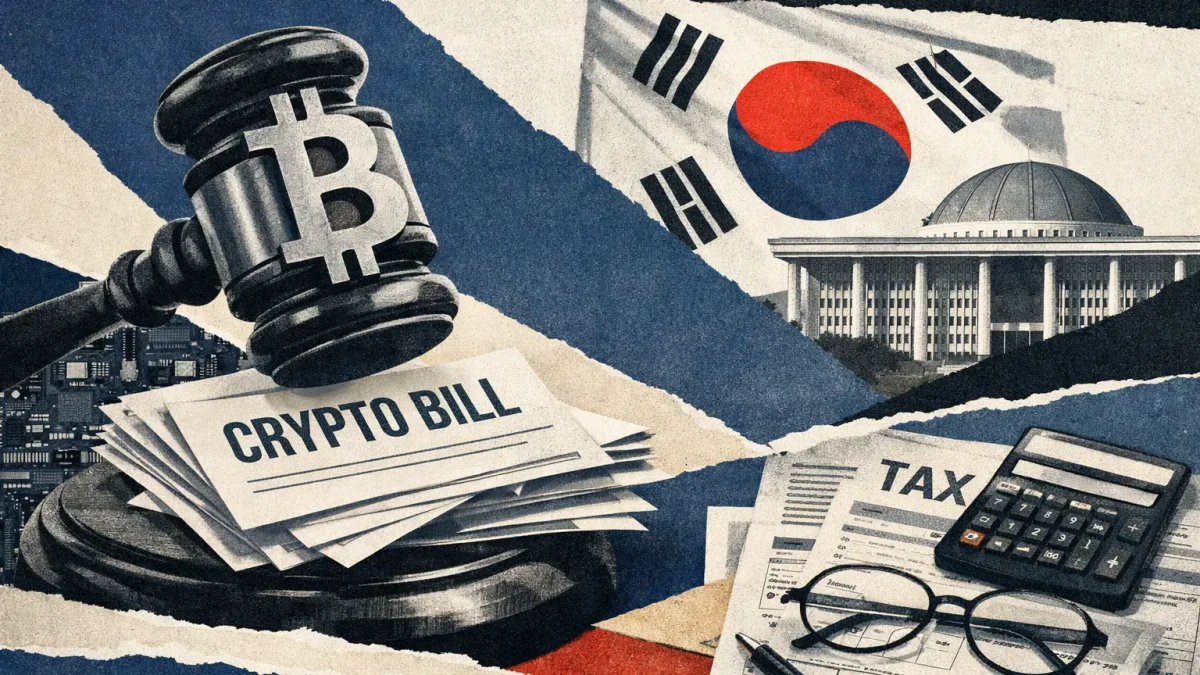
The Financial Services Commission of South Korea (FSC) plans to present the government draft of the Digital Asset Basic Act this week, which will establish comprehensive regulations for the cryptocurrency market. The document provides for the transition to the licensing of crypto businesses, restrictions for exchange shareholders, and new requirements for the issuance of stablecoins.
The bill is expected to become the second major step in the regulation of digital assets in the country. The first law on the protection of virtual asset users came into force in 2024 and was primarily aimed at safeguarding client funds and preventing unfair market practices.
What changes await cryptocurrency companies
The new law is expected to define the legal status of digital assets, the rules for their issuance and circulation, as well as the requirements for market participants.
One of the main changes will be the transition from the current system of notifying the regulator to full licensing of cryptocurrency companies.
There is also a discussion about limiting the share of the largest shareholders of crypto exchanges to 15–20%. The proposal is aimed at reducing the risks of concentration of control over trading platforms.
However, industry representatives oppose such a measure, arguing that it may limit the rights of owners and violate free market principles.
Additionally, the bill should establish requirements for corporate governance, internal control of crypto companies, and user protection, including the separate storage of client and company assets.
Banks will play a key role in the issuance of stablecoins
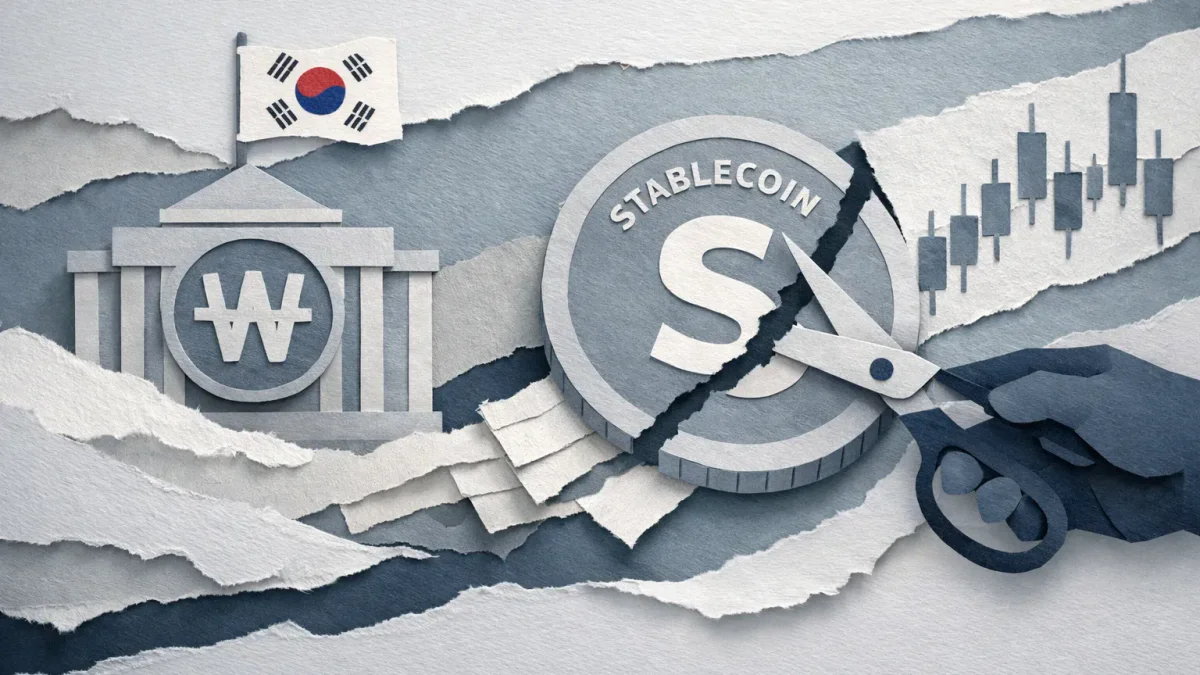
The document pays special attention to stablecoins pegged to the South Korean won.
It is expected that their issuance will be allowed through consortia, in which banks must own more than 50% of the capital.
This model is supported by the Bank of Korea, which warns of risks to monetary stability with insufficiently controlled issuance of stablecoins.
Meanwhile, representatives of the cryptocurrency industry fear that the predominant involvement of banks will limit the opportunities for technology companies and slow down the development of digital payment solutions.
When the new rules might come into effect
After publication, the government draft is planned to be combined with legislative initiatives from lawmakers and sent for further consideration to the National Assembly of South Korea.
At this stage, the provisions of the document may change. The final requirements for crypto exchanges, ownership structure, and the issuance of stablecoins will be determined based on the results of legislative discussions.
Thus, the upcoming publication will be another step in forming comprehensive regulation of the cryptocurrency market in South Korea, but it does not mean the immediate implementation of the new rules.
This material is prepared solely for informational purposes and does not constitute financial advice or a recommendation.