Tom Lee Allowed for a Recovery of Tech Stocks After the Sell-off
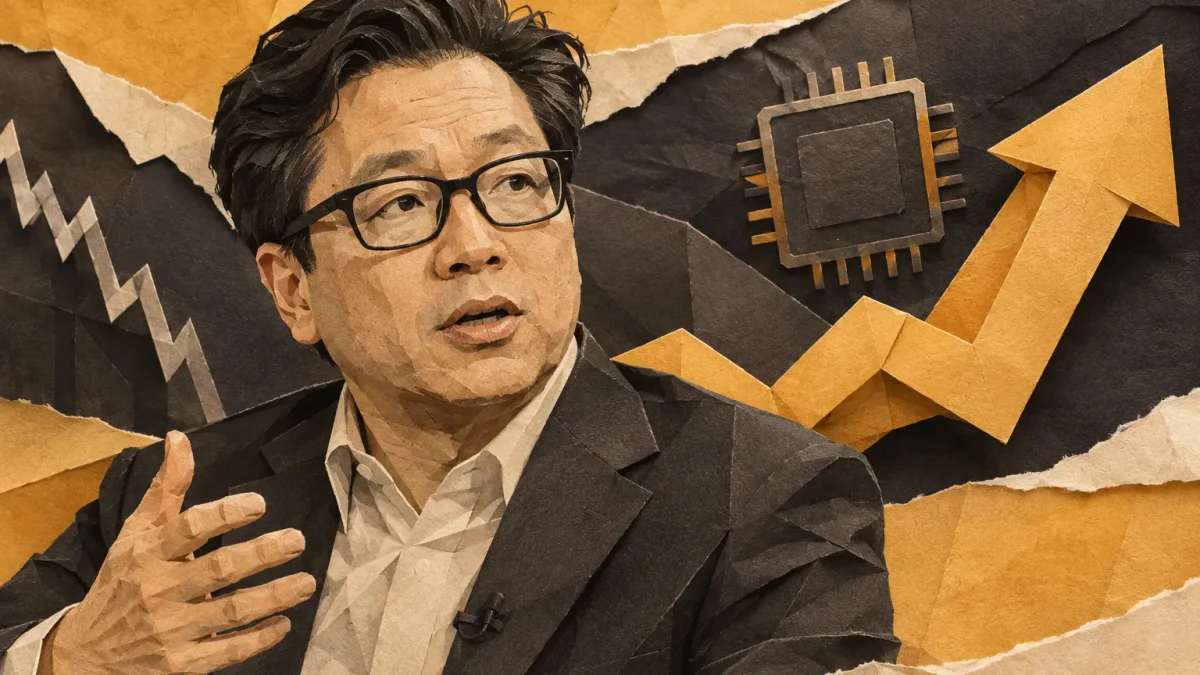
Managing partner and head of research at Fundstrat, Tom Lee, believes that the current decline in tech stocks may create opportunities for long-term investors. He compared the situation to the correction of Cisco in 1997, after which the company's stock significantly increased.
The comment was made on November 19 during CNBC's Closing Bell program amid the decline of U.S. stock indices. Even the record IPO of artificial intelligence developer Anthropic at $81.3 billion could not stop the sell-off.
By the end of trading, the S&P 500 index lost 2.02%, marking its sixth consecutive session of decline. The Nasdaq Composite fell by 2.25%, and the Dow Jones Industrial Average lost over 1,100 points.
Why Tom Lee Compared the AI Market to Cisco
Lee recalled the dynamics of Cisco Systems' stock during the development of the internet industry in the late 1990s.
In 1997, the company's stock fell from approximately $9 to $5 over three months. However, over the next year, the stock rose to about $18.
According to the analyst, the current sell-off of tech companies may be a similar period of market instability.
"I think we are at a point where it feels like the pain has peaked, but for a patient investor, this will bring significant returns," Tom Lee stated on CNBC.
However, the historical example of Cisco does not guarantee a similar recovery for modern companies operating in the field of artificial intelligence.
How Anthropic's IPO on Nasdaq Went
On November 19, Anthropic began trading on Nasdaq under the ticker ANT. The company issued 980 million shares at $83 each, raising about $81.3 billion.
At the opening of trading, the shares reached $111.50, which was 34.3% above the offering price. During the session, the stock rose to $115.10, but then began to decline.
By the close, Anthropic's stock price was $97.17. This is approximately 12.9% below the opening price but 17.1% above the IPO price.
Thus, investors who received shares directly at the offering maintained a positive revaluation of their positions. However, buyers who entered the stock at the opening of trading faced a decline in prices.
The sell-off also affected other tech companies. Nvidia shares lost 3.3%, despite strong quarterly earnings.
The Market Assesses AI Companies' Debt Load
One of the factors concerning investors remains the rising costs of artificial intelligence infrastructure.
Companies providing computing power are under particularly noticeable pressure. Nebius shares fell by 9.39%, and CoreWeave by 6.11%.
Tom Lee believes that in the long term, demand for computing resources may be supported by large corporations modernizing their own technological systems.
As an example, he mentioned JPMorgan, which could potentially expand the use of cloud infrastructure and specialized computing.
The financial risks of developing the AI industry are also being studied by the U.S. Federal Reserve System.
In a speech on November 16, Federal Reserve Board member Michael Barr stated that the balance sheet debt of the seven largest AI companies could exceed $800 billion by the end of 2026.
Meanwhile, the potential maximum nominal value of their off-balance sheet obligations already exceeds $3 trillion. This category includes long-term data center leases, energy contracts, and certain financial guarantees.
Barr emphasized that the sustainability of such financing models will also depend on the companies' ability to generate revenue from real clients.
The Decline in Tech Stocks Affected Bitcoin
The decline in the stock market was accompanied by a weakening of cryptocurrencies.
Before the start of Anthropic trading, Bitcoin was recovering towards $64,000, but after the sell-off of U.S. stocks, its price fell below $62,000.
Additional uncertainty remains regarding expectations about the future monetary policy of the Federal Reserve.
The yield on ten-year U.S. Treasury bonds was around 5% on November 19, which supported concerns about the cost of financing tech companies.
Thus, Tom Lee views the current decline in stocks as potentially a temporary stage in the development of the AI industry. However, the future dynamics of the sector will depend on companies' financial results, demand for computing power, and capital raising conditions.
This material is prepared solely for informational purposes and does not constitute financial advice or a recommendation.