

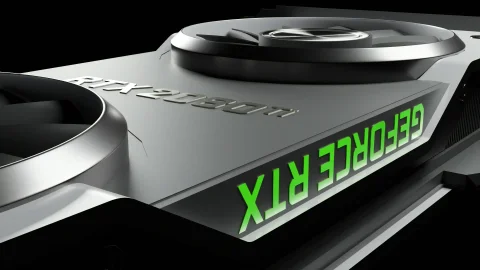
The graphics card market has flipped the usual logic: top-tier graphics cards are increasing in price after release rather than decreasing. An owner of the RTX 5090 Founders Edition, who bought the card ten months ago for £1700, sold it on eBay for £4100 and used the proceeds to build a new workstation: Sapphire Radeon RX 9070 XT, Mac Studio with M5 Max, Elgato Wave XLR audio interface, and Stream Deck Plus. He described the initial purchase as impulsive and has no regrets about the sale.
The reason for this price surge lies beyond the gaming market. Data centers are actively buying memory for AI workloads, and contract prices for DRAM and GDDR have risen, causing graphics cards to increase in price even after release. Flagships with 32 GB of memory are particularly sought after by those running local language models: the amount of VRAM is more important to them than gaming benchmarks. In Thailand, the RTX 5090 is sold for $7,000–$8,000, and this is not just a one-off listing but a local norm.
The practical side of the story is also telling. The owner of the flagship played less than four hours a week, and his office turned into a sauna even after undervolting. After switching to the Radeon RX 9070 XT with a power consumption of around 300 W, the performance in his main games did not change: Overwatch still delivers 240 FPS at 4K, and Path of Exile 2 consistently stays above 140 FPS. He describes this not as a downgrade but as a redistribution of resources for a "work plus gaming" format. It turned out to be a very profitable investment.