Wikimedia Files Lawsuit to Define AI Training and Material Copying
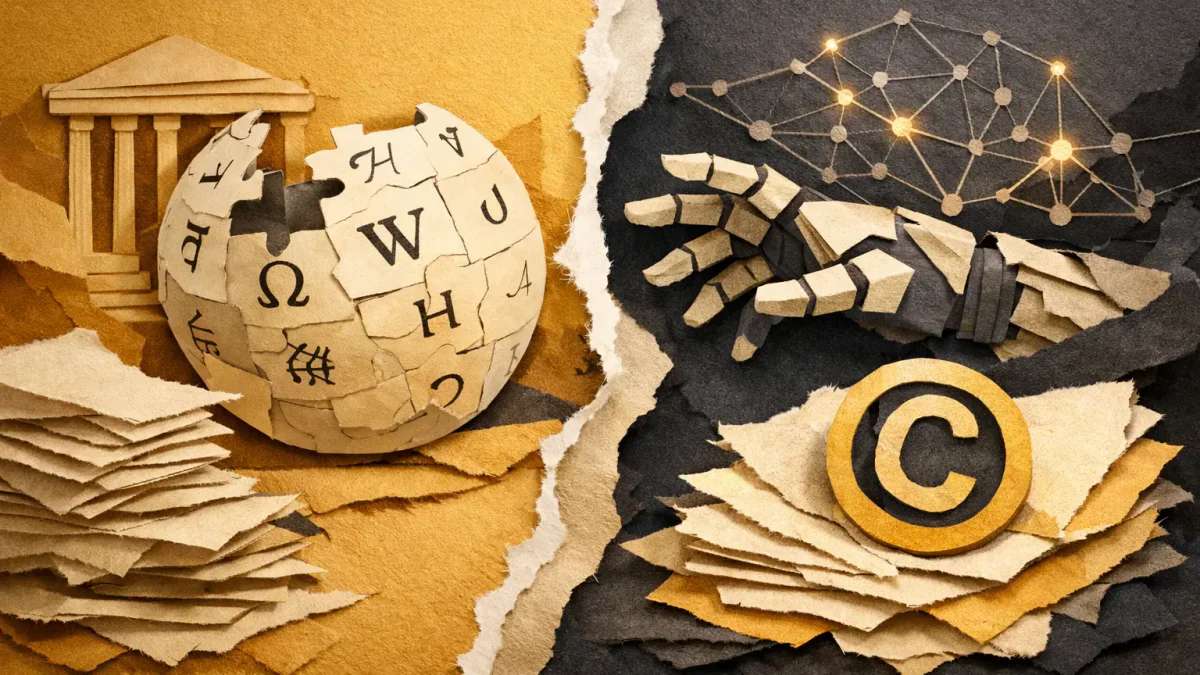
On October 30, the Wikimedia Foundation approached the federal court in New York with a proposal to distinguish between the use of copyrighted materials for AI training and their reproduction in chatbot responses. The position was submitted as part of a consolidated proceeding involving 12 lawsuits against OpenAI, including The New York Times case against the ChatGPT developer and Microsoft. According to the foundation, an overly broad interpretation of copyright could harm both AI development and open knowledge sources.
Wikimedia proposes evaluating two scenarios separately. The first is training models on internet texts: it can be considered fair if the result significantly differs from the originals and does not replace them. The second is generation with extracted data: if AI reproduces protected content in a way that provides users with a substitute for the original, it should not automatically be deemed fair—licensing requirements of the sources are necessary.
The foundation warned of two risks: overly strict restrictions will slow down model development, including open ones, while overly lenient ones will weaken incentives to create original publications. “A decision that does not properly consider the principles of fair use could jeopardize the sustainability of free knowledge,” said Wikimedia's legal counsel Stephen LaPorte. Wikipedia contains over 67 million articles in 300 languages, with about 250,000 volunteers participating in editing monthly.
This material is prepared solely for informational purposes and does not constitute financial advice or a recommendation.
Related articles