Yen Strengthens Against Dollar After Bank of Japan Decision

The yen trimmed its gains against the dollar after Bank of Japan Governor Kazuo Ueda kept the possibility of further rate hikes open but did not provide new signals on timing. The Japanese currency rose as much as 0.4% to 157.15 per dollar, before losing most of the gains and trading at 157.34. At a press conference following the meeting, Ueda said that the necessity of a rate hike would be assessed at each meeting, including the next one, but emphasized that sustainable and stable inflation has not yet been achieved.
Context of the decision
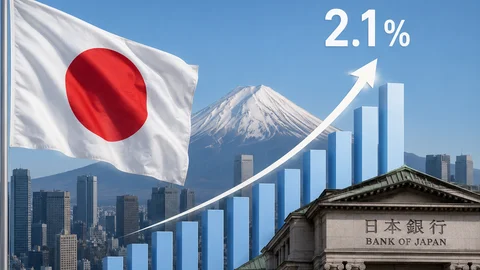
The comments came after the BoJ's expected decision to keep rates unchanged on Friday. The regulator indicated for the first time that core inflation had reached 2%, but Ueda's rhetoric did not give traders a reason to move expectations for the next hike to an earlier date.
“The yen received some support earlier today from the BoJ acknowledging the achievement of the inflation target,” said David Forrester, senior strategist at Credit Agricole CIB in Singapore. “But Ueda is as evasive as in previous press conferences, and the market is already expecting a hike in December, so his rhetoric puts some pressure on the yen.”
Markets
The weakening of the yen coincided with a general decline in demand for safe-haven assets on Friday. The currency showed signs of returning to its traditional safe-haven role after years when wide rate differentials and large overseas investments by Japan outweighed demand for it during times of stress. Japanese government bonds rose: the yield on 10-year bonds fell by 6.5 basis points to 2.77%, with long-term bonds outperforming amid signs of recovering domestic demand.
The Nikkei 225 fell after the BoJ announced an increase in the pace of ETF sales to approximately ¥860 billion per year from January, compared to the previous ¥330 billion. Japanese stocks were under pressure along with global markets due to concerns about spending and valuations in the AI sector. “The ETF sales were a surprise,” said Shogo Karitani, strategist at Minato Bank. “They were perceived as a hawkish step towards normalizing monetary policy, which led to moderate yen buying.” The cost of corporate financing in Japan also rose amid the deterioration of global credit markets: spreads widened across the board.
This material is prepared solely for informational purposes and does not constitute financial advice or a recommendation.
Related articles