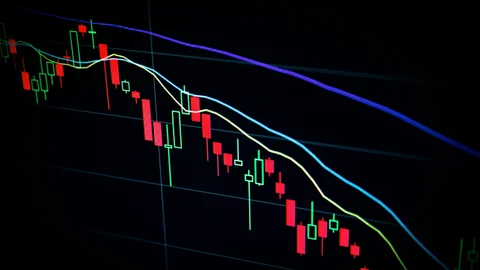

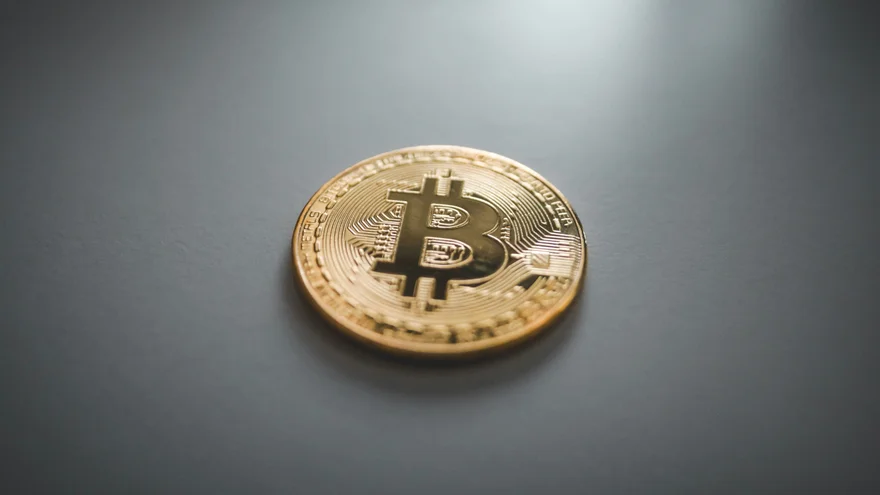
On Tuesday morning, Bitcoin fell by less than 1% and traded slightly above $83,100. The quote approached the lower boundary of the previous week's range amid rising yields on U.S. Treasury bonds. The yield on 10-year notes reached its highest level since 2007, then stabilized around 5.25%. At the same time, Brent oil rose by more than 1%, almost reaching $107 per barrel, marking the second consecutive day of growth. These changes have heightened market attention to inflation risks and expectations regarding the future monetary policy of the U.S. Federal Reserve.
Among major crypto assets, ZEC recorded the most significant decline, losing about 12% and dropping to approximately $1,380. SOL and HYPE decreased by 3–4%, DOGE fell by about 3%, BNB by 2%, and XRP lost nearly 2%. The quotes of Ether and TRX remained virtually unchanged. In the smaller token market, GRT rose by about 18%, IMX by almost 10%, while UNI and BCH fell by about 10%, and DASH lost around 7%. The total cryptocurrency market capitalization was around $2.86 trillion. The cryptocurrency sentiment index was at 74 points out of 100, approaching the zone characterized as 'extreme greed' by the indicator used.
Chief market analyst at FxPro, Alex Kuptsikevich, noted that Bitcoin has retreated to the lower boundary of the previous week's consolidation range and that under current conditions, a test of lower levels is likely. According to him, the market's further movement will depend on whether consolidation can be replaced by a new impulse.
Additional factors for financial markets included changes in the bond and oil markets. Higher government bond yields affect conditions in asset markets that do not provide fixed interest income. Simultaneously, rising oil prices can increase inflationary pressure. On Wednesday, the U.S. Department of Commerce is expected to release August data on the Personal Consumption Expenditures Price Index – an indicator closely monitored by the Federal Reserve. The data could influence market participants' expectations regarding the future dynamics of interest rates and Treasury bond yields.
Related articles