Bitwise CEO Suggests Holding Cryptocurrency as a Backup Amid Banking Failures
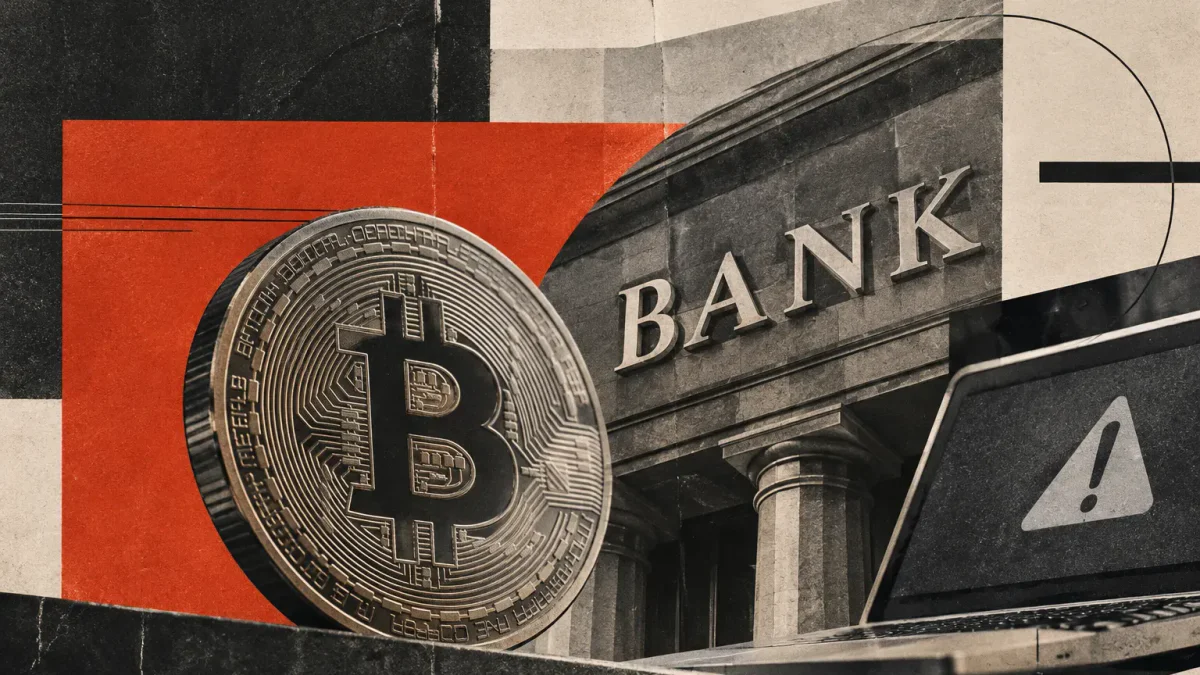
Bitwise CEO Hunter Horsley suggested that Americans consider holding part of their funds in cryptocurrencies or stablecoins in case of disruptions in banking services. This suggestion followed technical issues on November 16 that affected the operations of clients of major US banks, including JPMorgan Chase, Bank of America, and Wells Fargo.
In a post on social network X, Horsley highlighted the dependence of financial services on technological infrastructure.
"A series of banking failures in the AI era. Just in case, consider holding part of your funds in stablecoins or cryptocurrency," wrote the head of Bitwise.
What happened with US banking services
On November 16, thousands of users reported issues with banking services through the Downdetector platform. Complaints involved logging into online banking, viewing balances, and conducting transactions.
Among the financial institutions whose clients reported issues were JPMorgan Chase, Bank of America, and Wells Fargo.
Subsequently, JPMorgan Chase confirmed a technical problem related to a software error in its own infrastructure. According to the bank, the issue could slow down the processing of transactions involving other financial institutions but did not indicate a simultaneous systemic failure in all banks.
JPMorgan Chase also reported that it found no signs of a cyberattack. By the evening of November 16, the bank announced the restoration of normal transaction processing.
Why Zelle transfers were delayed
Reports of problems also came from users of Zelle, a payment network that allows funds to be transferred between bank accounts in the US.
However, the operator of Zelle stated that the payment network itself was operating normally. Delays in individual transfers could arise due to technical issues in the banks involved in the transactions.
Thus, user reports did not mean that all affected banks faced the same malfunctions or that the Zelle payment network had completely ceased operations.
Can stablecoins become a backup method for transferring funds
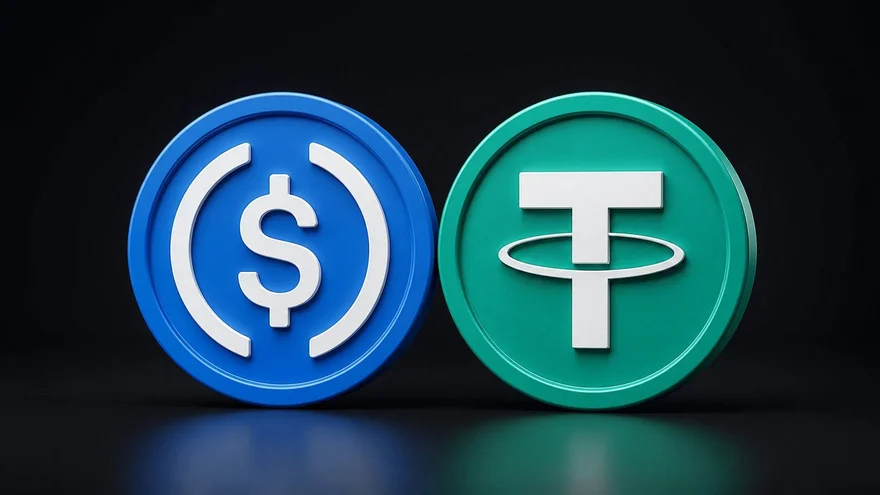
Stablecoins USDT and USDC are designed to maintain a value of around $1. Unlike Bitcoin, whose price can fluctuate significantly in a short time, these tokens are intended to have a relatively stable value.
A study by the Federal Reserve Bank of Chicago notes that dollar stablecoins can be transferred between participants in blockchain networks around the clock, including weekends and holidays.
This allows for individual digital transfers independent of the schedule of traditional interbank settlements. However, such a mechanism does not eliminate all limitations.
Exchanging stablecoins for regular dollars may require bank accounts, payment systems, or cryptocurrency intermediaries. Additionally, the availability of transfers depends on the operability of the blockchain, wallet, and services used.
Stablecoins also do not have guaranteed price stability: their value can deviate from the dollar peg.
Horsley's suggestion reflects the Bitwise CEO's position on backup methods for storing funds. The November disruption demonstrated the dependence of banking operations on technological infrastructure but does not prove that cryptocurrencies can fully replace traditional payment services in such situations.
This material is prepared solely for informational purposes and does not constitute financial advice or a recommendation.