Central Bank of Nigeria Introduces Licensing for Stablecoins with Capital up to ₦15 Billion

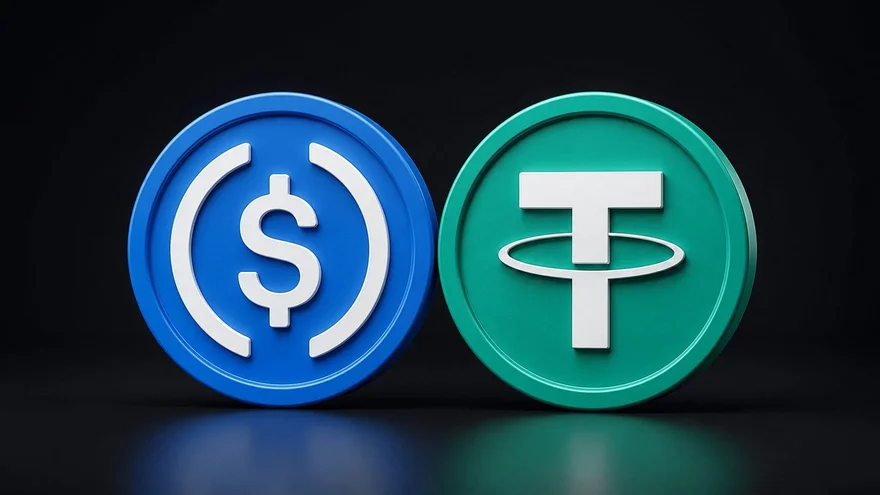
The Central Bank of Nigeria (CBN) introduced a licensing regime for stablecoin issuers on November 5, 2026. Companies issuing tokens in foreign currency must maintain at least ₦15 billion in paid-up capital, backed by naira – at least ₦10 billion. For other regulated virtual asset service providers, the minimum is ₦1 billion.
The regime divides issuers into two classes. Foreign currency falls under Class 2: the company is required to establish a legal entity in Nigeria and obtain a foreign currency issuer license from the CBN. Tokens pegged to the naira are included in Class 1 with a lower requirement, but the regulator may increase it depending on the company's activities and risk profile. Relying solely on licenses from other jurisdictions or agreements with Nigerian intermediaries is not allowed.
In addition to the company license, the CBN requires separate written approval for each stablecoin. The application must specify the pegged currency, reserve scheme, name, ticker, and supported blockchains. The requirements apply to crypto companies in Nigeria, foreign companies serving Nigerian clients, and services affecting the country's payment system or currency market.
Ban on Algorithmic Coins and 2% Buffer
The CBN has banned algorithmic stablecoins that maintain value primarily through changes in supply or demand without sufficient reserve backing. Tokens pegged to fiat currencies but predominantly backed by cryptocurrencies, as well as coins without holder redemption rights at face value, are also prohibited. Tokens from sanctioned individuals and projects from sanctioned jurisdictions are also banned.
For approved coins, the issuer is required to hold reserves covering the full value of the issued tokens, maintain continuous one-to-one coverage, and not issue new tokens until the corresponding reserve assets are obtained. Additionally, a buffer of at least 2% of the value of coins in circulation is needed. Reserves are reconciled with liabilities daily; the CBN restricts how companies can store and use collateral assets. The regime requires customer identity verification, sanctions screening, and transaction monitoring, including compliance with the Travel Rule – the rule for transmitting data on virtual asset transfers.
Transition Period and Penalties
Existing operators are given 180 calendar days to apply. Registration with the CBN must occur within 30 days, and supervisory reporting must begin within 60 days unless the regulator requires it sooner. Anti-money laundering requirements are effective from the date the rules come into force, and expanding the scope of activities without approval is not allowed. A company that fails to submit a complete application on time must cease regulated activities until permission is obtained.
The CBN is responsible for stablecoins and virtual assets in payments, transfers, remittances, currency exchange, and settlements. The Securities and Exchange Commission of Nigeria (SEC) continues to regulate securities, investment products, and the capital market; companies at the intersection of the two areas need approvals from both regulators. For operating without permission, the CBN may impose a fine of at least ₦100 million and an additional ₦1 million for each day of violation.
Nigeria has been moving towards regulated stablecoins in naira: the cNGN project received approval for a pilot in the regulatory sandbox in January 2024. In June, the International Monetary Fund (IMF) warned that the growing use of stablecoins could pose challenges to Nigeria's monetary policy and exchange rate management. In September, Tether, the issuer of the USDT stablecoin, announced plans to work with Shiga on wallets where users hold their own keys for clients in Africa and the Gulf region; Shiga reported that its Nigerian digital asset intermediary license is still awaiting final approval.
This material is prepared solely for informational purposes and does not constitute financial advice or a recommendation.
Related articles