Central banks and currency market participants are moving towards more frequent management reviews to ensure regulations keep pace with artificial intelligence. This is important: the daily turnover of the currency market is estimated at over $5 trillion, with more recent estimates for 2025–2026 ranging from $7.5 to $9.6 trillion.
The main concern is with agent AI – autonomous systems that not only suggest trades but make trading decisions themselves. The Bank of England has warned of the risk of herd behavior, where multiple AI agents simultaneously enter the same trade, as well as spikes in volatility and potential conflicts with monetary policy objectives. Deputy Governor of the Bank of England Sarah Breeden spoke in June 2026 about the need for market-wide limiters rather than self-regulation by each firm. The UK's Financial Conduct Authority and the Bank of England are evaluating two tools: oversight during the agent's operation and emergency shutoffs.
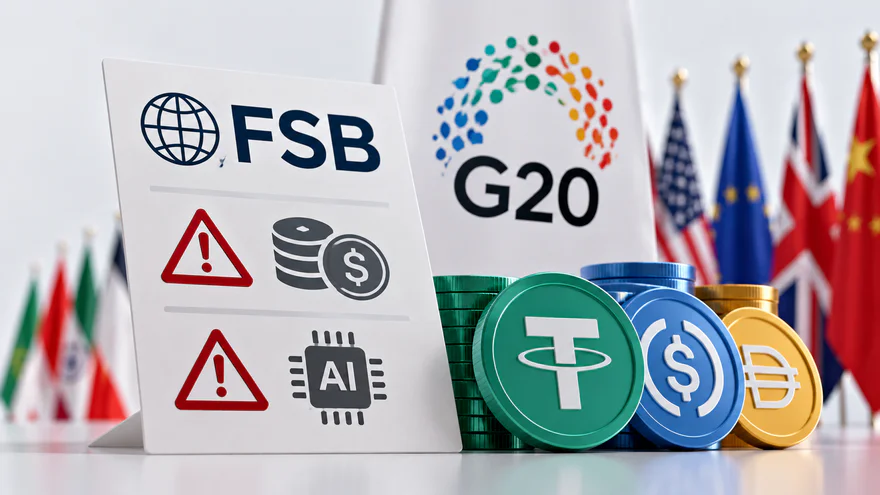
At the international level, the Financial Stability Board published the final report "Sound Practices for Responsible Adoption of Artificial Intelligence" on October 15, 2026, addressed to finance ministers and central bank governors of the G20. It includes 12 key practices and three overarching themes: governance at the organization-wide level rather than by individual technical teams; rigorous risk management throughout the AI lifecycle, from design to decommissioning; and robust human oversight for high-risk applications. Modeling by the Bank for International Settlements' Innovation Hub and other regulators indicates that market-wide safeguards, such as automatic trading breakers, may be needed to mitigate the risks of autonomous systems.
This material is prepared solely for informational purposes and does not constitute financial advice or a recommendation.
Related articles