Co-founder of Solana Calls Phishing the Main Threat to Cryptocurrency
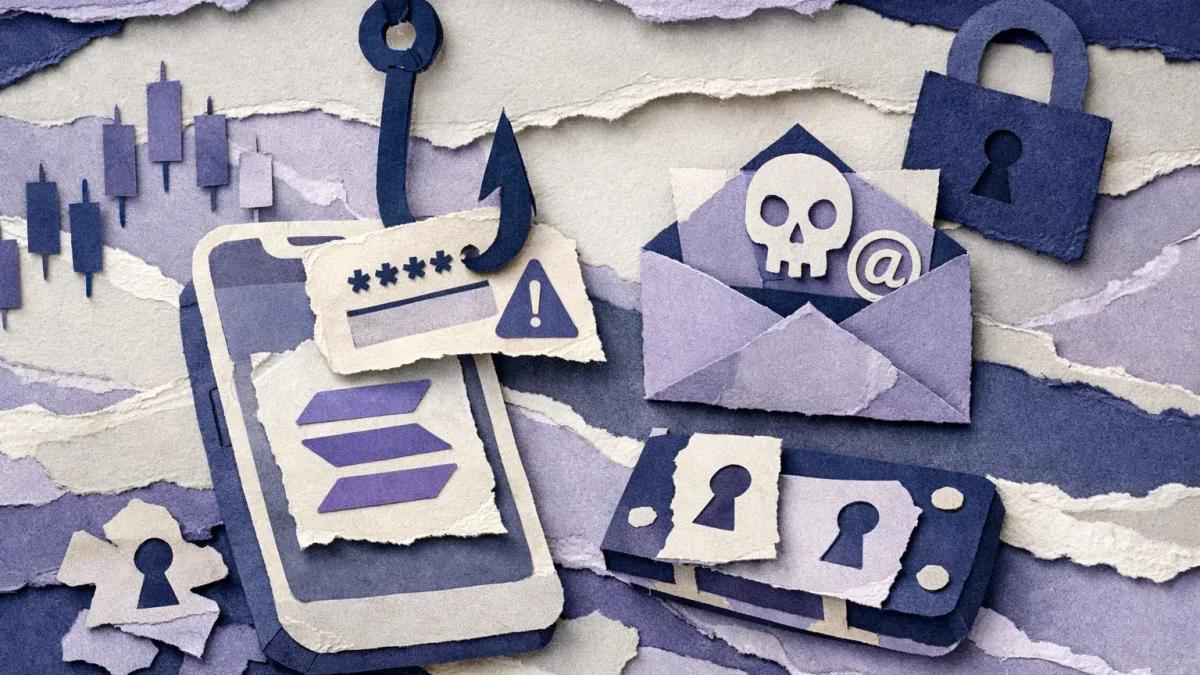
Solana co-founder Anatoly Yakovenko identified phishing and social engineering as the most serious threats to cryptocurrency holders. In a post on X dated November 3, 2026, he suggested using a separate iOS device with Lockdown Mode and a multi-signature wallet.
“Phishing and social engineering is the biggest threat to crypto. Not AI breaking math or quantum computers,” Yakovenko wrote. Translated: “Phishing and social engineering are the main threats to cryptocurrencies. Not AI breaking mathematical algorithms, nor quantum computers.”
How the Proposed Protection Works
Lockdown Mode is a special Apple mode that restricts the operation of certain apps, websites, and message attachments, reducing the number of potential attack vectors on a device. It is primarily intended for users threatened by sophisticated targeted attacks.
A multi-signature wallet adds an additional layer of control. For example, in a “two out of three signatures” scheme, confirmations from two different keys are required for a transfer. This reduces the risk of losing funds if one key is compromised, but does not protect against all fraudulent scenarios.
Why Yakovenko Highlighted Phishing
On October 29, Binance reported a breach affecting assets worth approximately $6.34 billion. According to the exchange's preliminary report, attackers used fake interviews and malware to gain access to internal transaction signing systems.
On November 2, Mercado Bitcoin also suspended deposits and withdrawals after detecting an incident. According to the platform, client balances are protected. Tether blocked over 4.5 million USDT linked to the attack.
A 2025 Chainalysis study identified around 158,000 cases of personal cryptocurrency wallet compromises with at least 80,000 victims. The total damage amounted to $713 million, compared to $1.5 billion the previous year.
According to Security Alliance, during the week from October 28 to November 3, experts analyzed 99 reports of incidents of various types. Only three cases of fraud through fake support calls resulted in losses of $1.57 million and 1.12 BTC.
These data show the scale of the threats, but the protection proposed by Yakovenko does not guarantee the safety of funds: users still need to verify transfer recipients, signature requests, and the authenticity of contacts.
This material is prepared solely for informational purposes and does not constitute financial advice or a recommendation.
Related articles