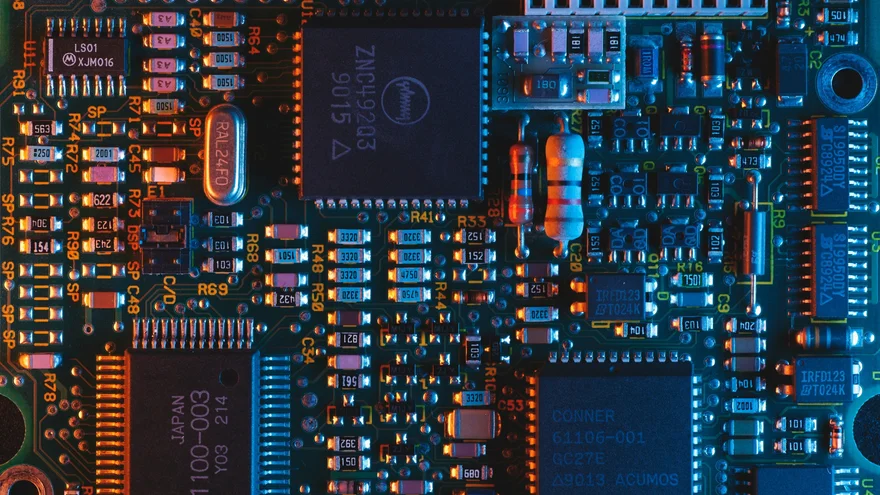
A shortage of memory chips, driven by the massive build-out of infrastructure for training and running neural networks, has pushed export prices for RAM to levels comparable to precious metals. According to data from the Korea International Trade Statistics Service, cited by ChosunBiz, between August 1 and 20 the average export price of chips stood at $92,183 per kilogram, or approximately 127 million South Korean won. This figure represents a 401% increase year-over-year. For comparison, a kilogram of Korean-made chips is now priced at roughly the same level as 620 grams of 24-karat gold, which at current quotes amounts to 126.6 million won. In January 2023, when interest in neural network technologies was just beginning to take shape following the public launch of ChatGPT, an equivalent volume of memory cost 12.5 times less.
Gold has also demonstrated an upward trajectory throughout 2026. Analysts cite a weakening dollar and broader economic uncertainty, amplified by rising energy prices amid tensions in Iran, as the main drivers of the precious metal's appreciation. Chip manufacturers have generously rewarded their employees on the back of record-high prices. SK hynix and Samsung paid out substantial bonuses, while employees at Micron's Taiwanese operations are reportedly expecting similar payouts. The global memory market is effectively controlled by three key players — South Korea's SK hynix and Samsung, and America's Micron. The latter is actively expanding its production capacity within the United States in an effort to reduce the technology sector's dependence on global supply chains.
The sharp rise in chip prices has hit the consumer electronics market. Apple has already raised prices on a number of products this year and, according to informed sources, is actively lobbying the US government for permission to procure memory from Chinese manufacturer CXMT. CXMT's IPO was a record-setter for the Chinese stock market, and the company is counting on the existing shortage to carve out its own niche in the global market. For the Chinese manufacturer, the current market environment has presented a rare opportunity to strengthen its international standing and expand its customer base beyond the domestic market.
Computer hardware manufacturers have also come under pressure, forced to restructure their procurement strategies on the fly. The new MSI Katana 15 HX C14W gaming laptop, equipped with an RTX 5070 graphics card, uses a combination of the previous-generation DDR4 memory alongside newer DDR5 — a direct consequence of soaring prices for modern modules. Demand for new memory is so intense that automated scalper bots are outpacing real buyers by a factor of ten on DDR5 module pages, submitting requests every 6.5 seconds. For historical context, in 1995 one gigabyte of RAM was listed at $64,000 at the prices of that era — comparable to the cost of a residential home.
Nvidia has also felt the effects of rising component costs. According to the latest analyst estimates, server solutions based on Rubin graphics accelerators could increase in price by 15–17%, with memory chips accounting for a significant share of that cost increase. This situation is forcing all market participants to seek alternative supply sources, rethink the architecture of their devices, and optimize production costs in order to remain competitive amid an unprecedented shortage of key electronic components.