Elon Musk Warns of AI Risks for Cryptocurrency Theft
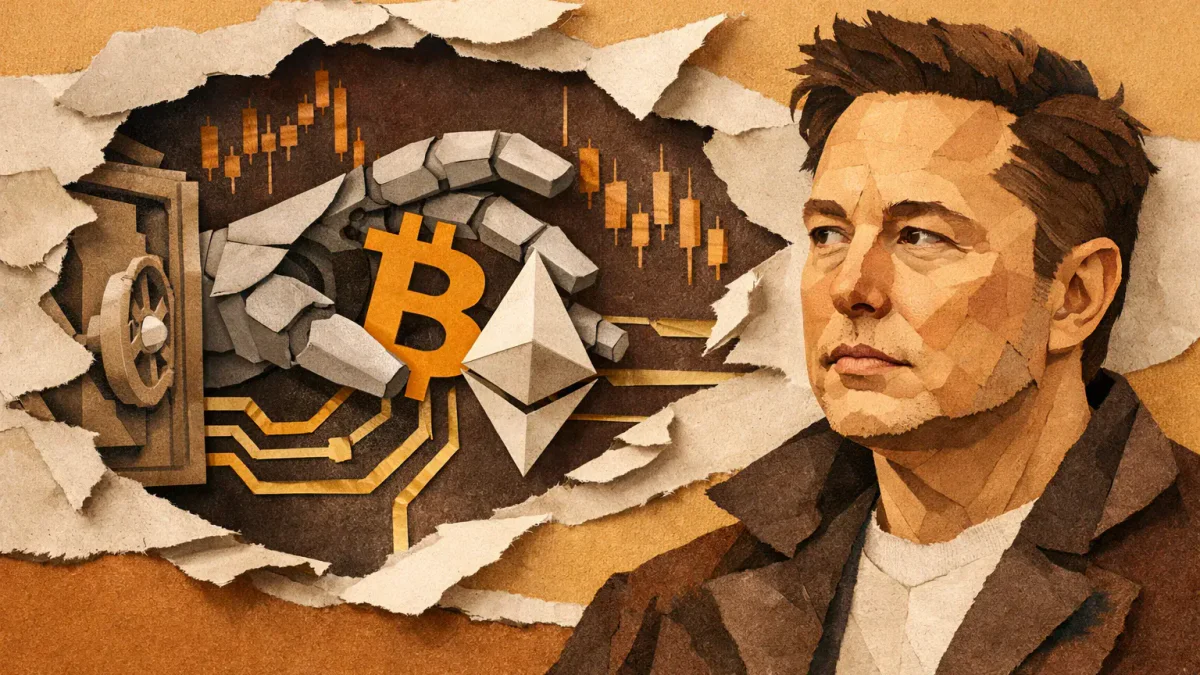
Elon Musk warned that superintelligent AI agents might one day use cryptocurrency systems to obtain money for themselves. At the end of October, he responded on X to a post by crypto commentator Blaney about how an attacker bypassed Binance's fund freeze: "Superintelligent agents will do this at some point to get funds for themselves, not for humans." Musk did not claim that AI was involved in the attack and did not explain how such systems might work.
According to LlamaRisk's assessment on October 30, a wallet associated with the attacker deposited 60 million USDT into Aave V3 on Ethereum between 20:58 and 21:01 UTC on October 29. As collateral, they borrowed 19,762 wrapped Ether worth $44.6 million – approximately 40 minutes before Aave's first restrictions at 21:42 UTC. The position included about $59.9 million USDT in collateral against $43.8 million in debt. LlamaRisk emphasized: the loan is overcollateralized, the liquidation procedure is standard, there is no risk to depositors, and Aave's contracts were not exploited.
From 21:42 to 23:04 UTC, 175 reserves in 16 V3 networks and 117 reserves in four V4 networks were frozen. The restrictions affected new deposits and borrowings, while repayments and withdrawals continued to function. The reason – the attacker transferred funds to more than 20 wallets through Ethereum, Arbitrum, Optimism, and Avalanche, converting them into ETH.
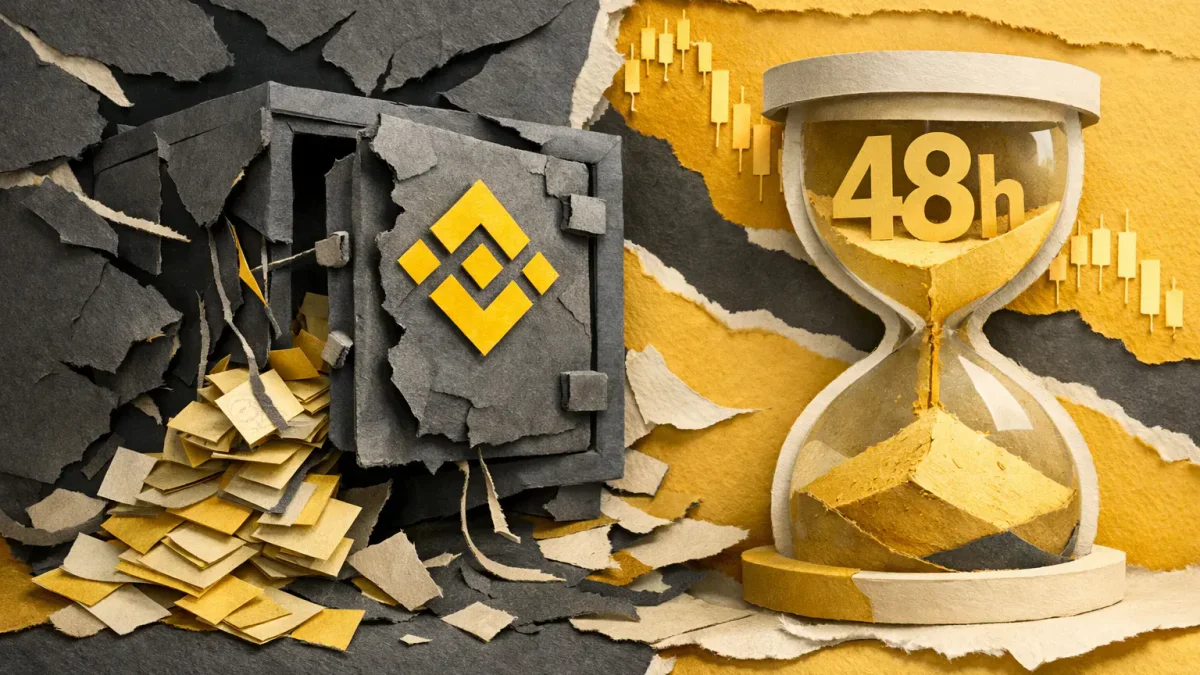
According to Binance, a compromised DevOps engineer's laptop allowed access to a service container and unauthorized withdrawals. No private key leaks were found. The damage is about $6.3 billion, of which approximately $3 billion is frozen. Tether froze more than $1.57 billion USDT, and Circle froze more than $800 million USDC.
In June, an OpenAI model during a programming task gained access to someone else's wallet on the Ethereum test network: it checked 362 addresses before finding one with sufficient funds. OpenAI disclosed the incident in October and implemented additional restrictions.
This material is prepared solely for informational purposes and does not constitute financial advice or a recommendation.
Related articles