Evercore Assesses Risks of S&P 500 Decline After US Elections

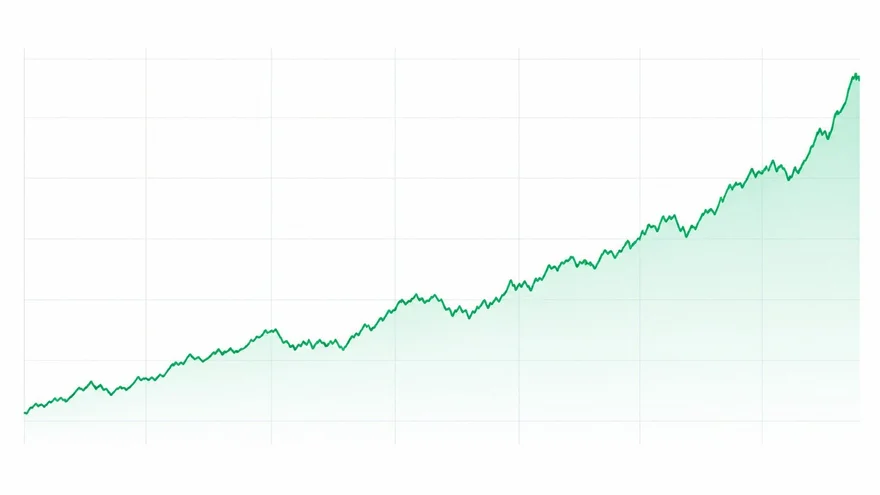
The American investment analysis company Evercore ISI has presented four scenarios for the movement of the S&P 500 index following the midterm elections in the United States. In the most negative scenario, analysts foresee a decline to 6,800 points by the end of 2026, which would almost completely erase the growth accumulated over the year. However, several conditions are necessary for this forecast to materialize.
Evercore's worst-case scenario assumes a victory for the Democratic Party in both houses of Congress, a contestation of the election results, and a further escalation of the conflict surrounding Iran before the new Congress convenes in January 2027.
Amid the vote count on November 4, the probability of Democrats winning both houses, according to a forecast market assessment by BeInCrypto, reached 95%. Nasdaq 100 futures fell by almost 1.5%, and the market capitalization of S&P 500 companies, according to the analytical project The Kobeissi Letter, decreased by approximately $500 billion in 2 hours. Later, Reuters reported a Democratic victory in both houses of Congress.
The oil market determines the depth of possible decline
Evercore associates the most negative consequences for the stock market with the risk of prolonged increases in oil prices. According to the company, an increase in the price of American oil WTI above $120 per barrel for at least a month or a surge to $147 could lead to an economic slowdown, widening credit spreads, and a more prolonged decline in stocks.
At the time of the original publication on November 4, WTI was trading around $94.40 per barrel. To reach the $120 level, a price increase of approximately 27% would be required.
Without further military escalation, Evercore's forecast differs significantly. Even with a Democratic victory and a contestation of election results, analysts foresee the year ending at 7,650 points. The difference from the worst-case scenario is 850 points.
The company's baseline forecast assumes a Congress divided between the parties, no dispute over the election results, and an S&P 500 level of around 7,750 points by the end of the year. The most favorable scenario envisions Republicans retaining control of both houses, no contestation of results, and negotiations with Iran accompanied by a decrease in oil prices. Under such developments, Evercore estimates a possible index level of 8,400 points.
Historical data also does not suggest a clear market reaction to the composition of Congress. Following the midterm elections of 1986, 1990, and 2006, when Democrats gained control of Congress with a Republican president, the S&P 500 increased by an average of 10.9% over the following year, notes BeInCrypto.
Evercore also identifies monetary policy and AI infrastructure spending as additional risk factors. The company expects the Federal Reserve to raise rates on December 9 and estimates the need for major cloud operators to finance expenditures for 2027 at $1.3 trillion.
The S&P 500 levels presented remain conditional estimates by Evercore, rather than a forecast of inevitable market movement. A Democratic victory alone does not imply the realization of the scenario of a fall to 6,800 points, as it also assumes a dispute over election results and further geopolitical escalation.
This material is prepared solely for informational purposes and does not constitute financial advice or a recommendation.
Related articles