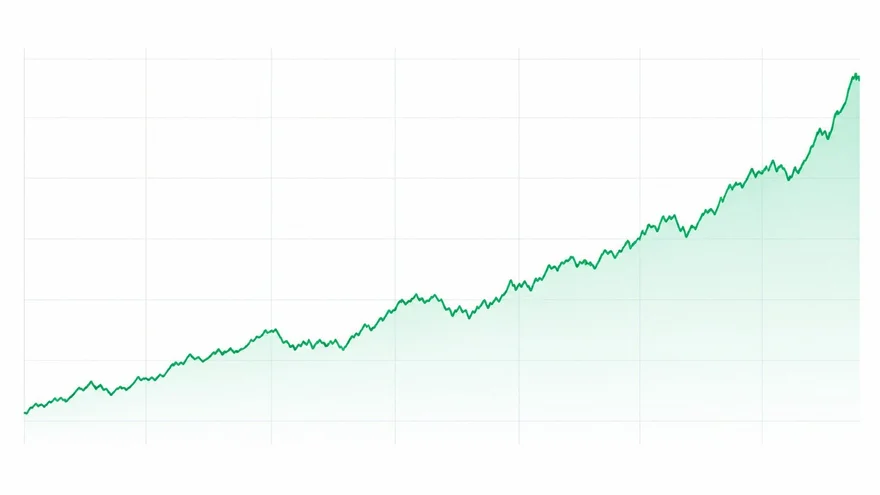
In 80% of the years since 1950, the S&P 500 index has risen from mid-October to the end of the year. This seasonal window opened on Wednesday and immediately came under pressure. The index fell by 0.75% after recent record highs amid hotter inflation in the US.
Founder of Capriole Investments and member of the BeInCrypto Market Intelligence Expert Council, Charles Edwards, noted the date on Wednesday: “Today marks the start of the best 60 days of the year for stocks.” BeInCrypto's calculation based on daily closes confirms the thesis: from the close on October 13 to the end of the year, the S&P 500 has risen in 61 out of 76 years. The median gain in this period is 4.2%. For comparison, an average period of the same length yielded about 2% and rose only 66% of the time.
Kyle Dupes, host of Crypto Banter and also a Council member, compared 2026 to the 30-year average. “The S&P 500 typically shows increased strength towards the end of the year compared to the last 30 years,” he wrote on X on October 14, 2026. Historically strong years are favored: when the index entered the window with a gain of 10–20%, it ended the year higher in 21 out of 25 cases. Profits are concentrated in one month—November rose in 13 of the last 14 years, while December averaged only 0.10%, according to Forecaster.biz.
The risks are specific. September inflation accelerated to 3.7% year-over-year, above forecasts; gasoline prices rose by 9.1% over the month, reported the Bureau of Labor Statistics. The Fed raised rates in September, and a second hike by the end of the year is now possible. In 2018, a midterm election year with rate hikes, the seasonal window lost 9.4%.
Nevertheless, a four-year bull market and expected third-quarter earnings growth of 29.2%, according to FactSet, provide a fundamental underpinning for seasonality. Whether earnings can outpace the 5% yield on Treasury bonds will likely determine which side of the 80% this year falls on.
This material is prepared solely for informational purposes and does not constitute financial advice or a recommendation.
Related articles