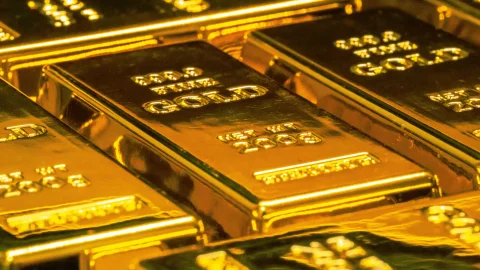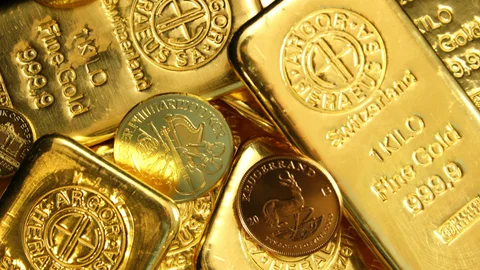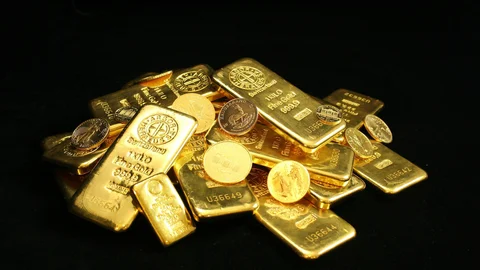
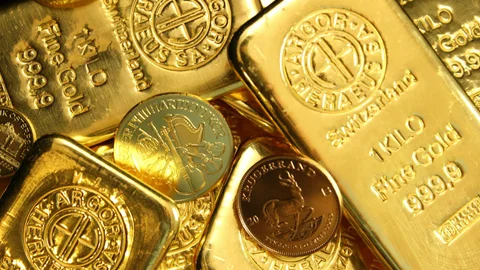
Amid a volatile market, gold may face the highest level of volatility since 1982. According to The Kobeissi Letter, 2026 has recorded more sharp declines in gold prices than any other year since the global financial crisis. This year, there have been 7 instances of gold prices dropping by 3.5% or more, the highest since 2008 and more than double the 2025 results, which saw only 3 such instances. With rising government bond yields, volatile conditions in the gold market are also increasing. According to Kobeissi, the current year could end as the most volatile for gold in the last four decades. On Monday, gold fell by 4% during intraday trading, reaching its lowest since August 5, with a decline of 3.4%, which is "one of the rarest drops in the last two decades." The involved analysts assessed this movement with a Z-score of -2.90, which corresponds to a drop that usually occurs once every two years.
Existing data shows that the 10-year Treasury yield has reached its highest since June 2007, creating additional challenges for gold as it does not yield interest. The 30-year bond yield also rose to 5.60%, the highest level since 2002. However, soon the rise in oil prices raised inflation risks and dampened hopes for easing Federal Reserve policy. By the end of June, gold had lost more than 25% of its value and is currently down 5.4% for the year, which could be the first annual loss since 2022.
According to forecasts, Goldman Sachs lowered its market value for gold by the end of 2026 to $4,650, while JPMorgan expects $4,500 in the fourth quarter. Goldman also maintains a target of $5,400 by the end of 2027. However, Lina Thomas of Goldman noted potential risks, stating: "A significantly more hawkish Fed course could lead to a sharper-than-usual correction." Data on inflation and the employment report in early October are expected to show whether rates on the anticipated increase will strengthen.
Related articles