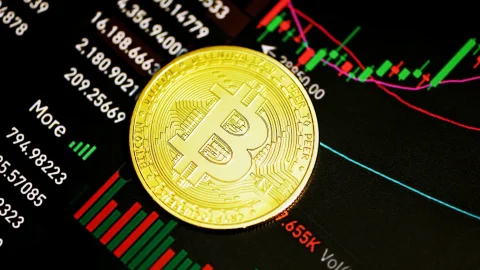
The annual volatility of Bitcoin has decreased to 43%. According to a new report from Grayscale, the current figure is within the volatility range of stocks from the S&P 500 index. Analysts used realized volatility, which reflects actual price fluctuations over the past twelve months.
Five years ago, the figure reached 81%, and the average over the past ten years is 64%. According to the report, Bitcoin's volatility is lower than that of 19% of the index's stocks. It is more volatile than, for example, Amazon and JP Morgan, but calmer than Oracle, Coinbase, and Honeywell. Data source: Bloomberg, Grayscale Investments. Grayscale believes that the first cryptocurrency no longer stands out in a separate high-risk category.
According to the company, the reduction in fluctuations is due to the maturation of the market: liquidity has increased, the presence of institutional participants has grown, and regulated spot ETFs have emerged. Grayscale also warns that one year of statistics is not enough to assess the behavior of an asset over a full market cycle.
Recent price dynamics show that fluctuations persist. After the US inflation data for September, Bitcoin briefly dropped to $80,000. Annual inflation was 3.7% compared to expectations of 3.6%. According to BeInCrypto, the price quickly recovered to $82,285: it increased by 0.81% in a day and by 1% in a week.
This material is prepared solely for informational purposes and does not constitute financial advice or a recommendation.
Related articles