How the AI and Semiconductor Boom is Changing the Role of the Dollar in the Global Economy
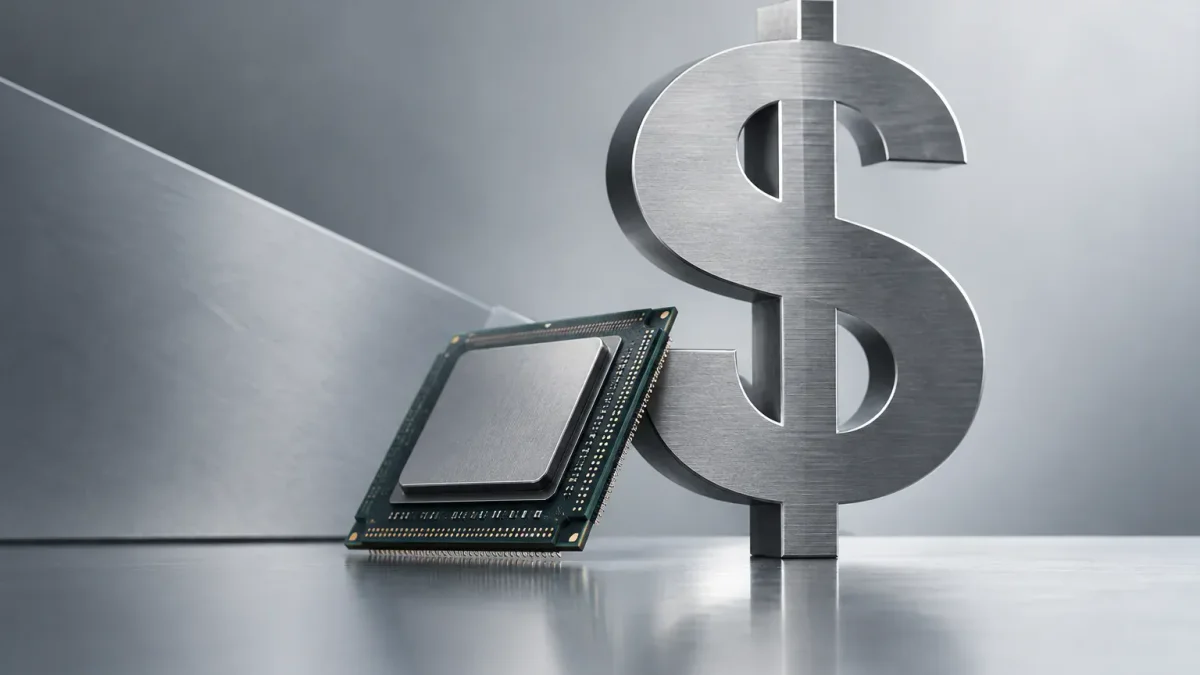
The development of artificial intelligence and the growing global demand for semiconductors could create a new source of support for the US dollar. Analysts at Deutsche Bank have coined the term "chip-dollar" for this phenomenon, comparing it to the mechanism of petrodollar flows that strengthened the position of the American currency in the second half of the 20th century.
The new model suggests that revenues from the export of technological products from Asia partially return to the US in the form of investments in American company stocks. However, such dependence could make the dollar more sensitive to stock market fluctuations.
How the "chip-dollar" is formed
Historically, one of the important sources of international demand for the dollar was the oil revenues of exporting countries, a significant portion of which was reinvested in US government bonds.
After the collapse of the Bretton Woods system of fixed exchange rates in 1971 and the oil boom of the 1970s, this mechanism became known as the "petrodollar."
Today, Deutsche Bank is considering the possibility of a similar model emerging, based on revenues from semiconductor production.
The growing demand for AI chips increases the export revenue of technology companies in Taiwan, South Korea, and other Asian economies. Part of the international capital is then directed into American stocks, including shares of companies developing artificial intelligence infrastructure.
Thus, the technological boom simultaneously supports the exports of Asian manufacturers and attracts additional investments into the US financial market.
Foreign investments in American stocks are growing
In 2025, foreign investment flows into American stocks increased by approximately 130%, exceeding $700 billion. This was the largest figure in at least ten years.
In 2026, the capital inflow continued. In just the three months ending in June, foreign investors acquired American stocks worth approximately $427 billion, setting a quarterly record.
Meanwhile, foreign investments in US Treasury bonds showed less stable dynamics. According to Bloomberg data, since February, the volume of foreign investments in these instruments has decreased, although it remained significant at about $9.2 trillion.
The shift in investor interest from government bonds to technology company stocks is changing the nature of international demand for the dollar.
Why the importance of Asian chip manufacturers is growing
South Korea has become one of the main participants in the new investment cycle.
In October 2026, the export of semiconductors from the country increased by approximately 260% year-on-year. The growth was associated with high demand for memory chips and other components for AI infrastructure.
Significant export revenues are also being received by technology companies in Taiwan and Malaysia.
According to Deutsche Bank, the increase in trade surpluses of Asian economies creates additional resources for international investments.
As a result, part of the funds earned due to global demand for technology may return to the US through financial markets.
Why dependence on stocks increases risks for the dollar
Despite the inflow of foreign capital, the new model could increase the volatility of the American currency.
Stocks are usually more susceptible to price fluctuations than government bonds. Therefore, an increase in the share of investments in the stock market could make international capital flows more sensitive to changes in investor sentiment.
If the technology sector faces a major correction, the outflow of funds from American stocks could amplify dollar fluctuations.
Small economies with a high dependence on external financing may be particularly vulnerable in such a scenario.
For example, Indonesia has already faced the need to raise interest rates to support its national currency, despite weak domestic economic dynamics.
Thus, the concept of the "chip-dollar" implies a change in the sources of support for the American currency rather than guaranteeing its further strengthening. The development of the AI industry may support demand for the dollar while simultaneously increasing its exchange rate's dependence on the technology sector and global investment flows.
This material is prepared solely for informational purposes and does not constitute financial advice or a recommendation.