Ledger Confirms Discovery of Modified Crypto Wallets in Berlin
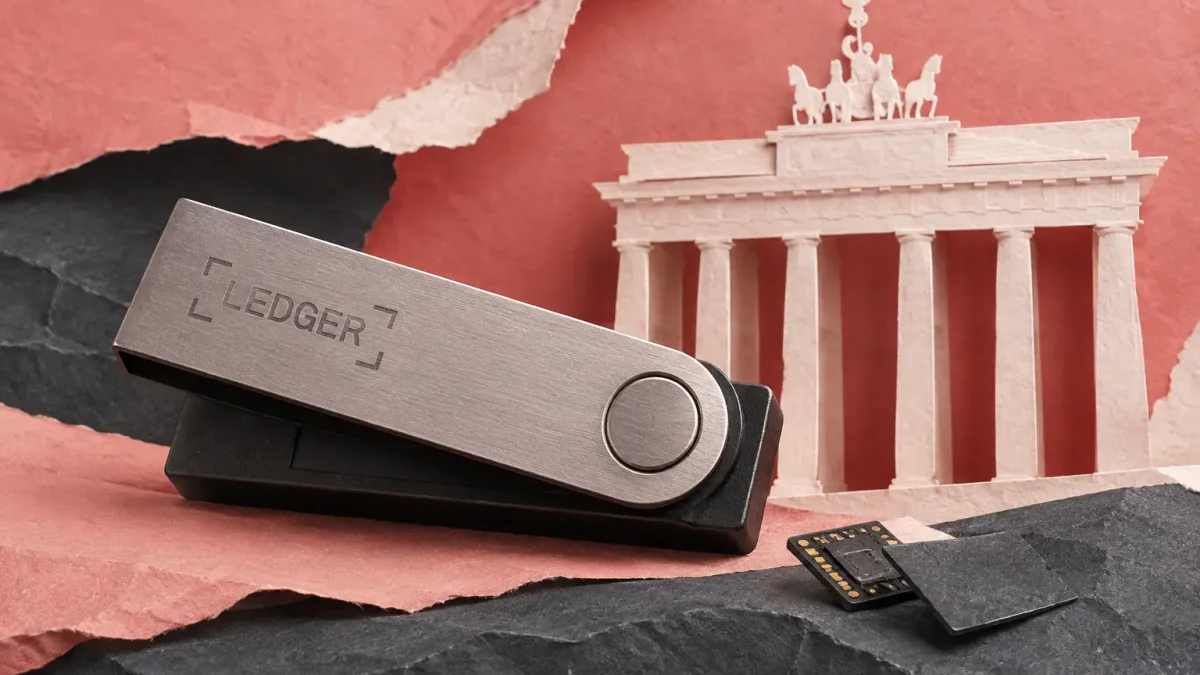
Hardware wallet manufacturer Ledger confirmed the discovery of physically modified devices in Berlin. The company is also investigating reports of two suspicious wallets in Dubai. The incidents are being examined as part of an investigation into a supply chain attack that came to light in October 2026.
Malicious actors installed hidden components in original devices capable of intercepting recovery phrases during wallet setup. According to Ledger, no vulnerabilities were found in the secure chip or operating system. There are also no confirmed cases of device compromise for those purchased directly from the manufacturer's official website.
Ledger's investigation extends beyond Southeast Asia
In October 2026, Ledger began an investigation following reports of unauthorized cryptocurrency withdrawals from buyers of devices purchased through the reseller CryptoBilis in Southeast Asia.
According to the company, a criminal group had been purchasing original wallets for several months, installing additional components inside, and returning the devices to retail sales channels.
Ledger confirmed one case of modification of the Nano Gen 5 model in Southeast Asia. Later, similar devices were found in Berlin, and reports of two suspicious wallets in Dubai remain under investigation.
The company recommends that users who purchased Ledger devices in Berlin starting from January 2026 contact official support if they have any suspicions. A similar recommendation applies to buyers in Dubai.
According to Singapore police, at least two cases of using modified hardware wallets have been registered since September 10, with a total damage amounting to about 3.5 million Singapore dollars.
Analysts tracked $1.68 million withdrawal from 16 wallets
Bitquery reported cryptocurrency transfers totaling approximately $1.68 million from 16 wallets in the Bitcoin, Tron, and Solana networks. The transactions occurred on November 14 and 16.
Specifically, two users reported a combined loss of approximately $604,000 after purchasing Ledger Flex and Ledger Stax devices in Dubai. Another user from Berlin reported a cryptocurrency withdrawal of approximately $320,000.
Bitquery researchers found a connection between the November transactions and the October incident through an address in the Tron network used for paying fees.
However, blockchain analysis does not allow determining the exact method by which the malicious actors gained access to recovery phrases. Ledger has not yet confirmed a connection between all detected transfers and the physical modification of devices.
Ledger suggested wallet inspection using X-ray
During the investigation, Ledger offers owners of suspicious devices to arrange for a physical inspection, including X-ray examination at the company's production site in Vierzon, France.
The Genuine Check authenticity verification confirms the originality of the secure chip but does not guarantee the detection of additional components if the chip itself remains intact.
Ledger advises against opening suspicious devices on your own and not using them to create or restore cryptocurrency wallets. If the recovery phrase may have been compromised, the company recommends transferring remaining assets to a new wallet with a new phrase created on a secure device.
To arrange an inspection, it is necessary to contact Ledger's official support exclusively. The company emphasizes that its employees never request recovery phrases.
Following the identified incidents, Ledger has tightened requirements for authorized sellers, including restrictions on placing devices in open access and a ban on reselling returned wallets.
Similar measures are being taken by Trezor, which has reduced its reseller network by approximately 80% after discovering foreign components in three Trezor Safe 5 devices purchased through CryptoBilis.
This material is prepared solely for informational purposes and does not constitute financial advice or a recommendation.