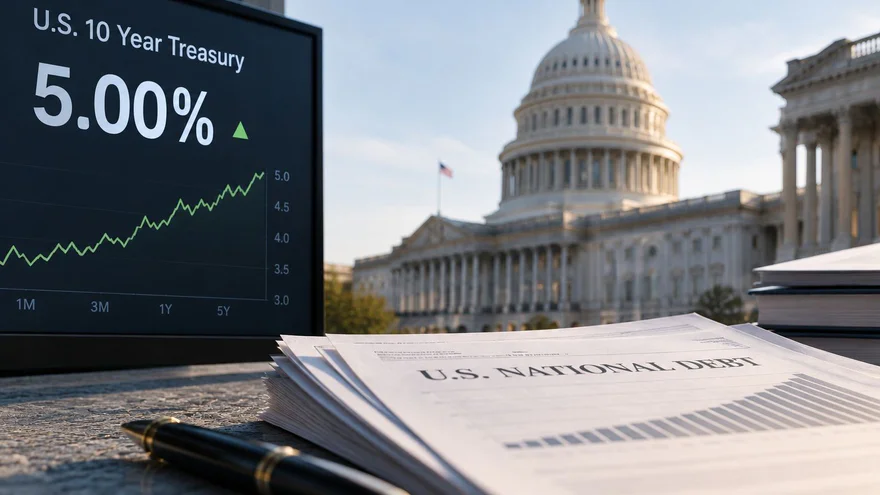
According to a study by Man Group, high inflation in itself is not detrimental to US government bonds. Instead, it is the sharp spikes in the rate of price growth that have a clearly negative impact. The note, published on Tuesday, states: when inflation is in the range of 2-4%, as it is now, 10-year US Treasuries have historically delivered an average annual nominal return of 6.9% during such periods. Adjusted for inflation, the average annual return was 4%. However, bond performance deteriorates sharply if inflation begins to accelerate rapidly above 4%. In a scenario where it accelerates by more than 50 basis points over three months, 10-year Treasuries showed a real annual loss of 11.7%, according to the study.
"The current overarching narrative is that inflation will remain 'higher for longer' and that this is bad news for bondholders. We are not so sure," wrote the authors, including Peter Widner, head of total return strategies, systematic.
Man Group emphasizes that bonds still deserve a place in a long-term portfolio, as historically they have performed well when stocks fell and can deliver positive real returns. "We do not believe that bonds should be written off," the authors wrote. A period of turmoil for Treasuries has pushed yields to some of the highest levels in decades, as the AI spending boom points to an era of sustainable economic growth and persistent price pressures. This has led many investors to refrain from buying bonds, although Man Group's analysis suggests that these securities still deserve a place in a long-term portfolio. "They have historically performed well when stocks fell, and contrary to the doom in the 'higher for longer' world, they can still deliver positive real returns," the authors wrote.
This material is prepared solely for informational purposes and does not constitute financial advice or a recommendation.
Related articles