

Research

Only 18% of Generation Z Workers Want to Develop AI Skills
A study showed that only 18% of Generation Z workers are interested in improving their skills in artificial intelligence, while older generations show greater interest.

AI Agents Learn to Find Vulnerabilities in Smart Contracts
Research by Anthropic and OpenAI has shown that AI agents are capable of identifying and reproducing vulnerabilities in smart contracts under laboratory conditions; however, there is currently no real evidence of AI involvement in major thefts in DeFi.
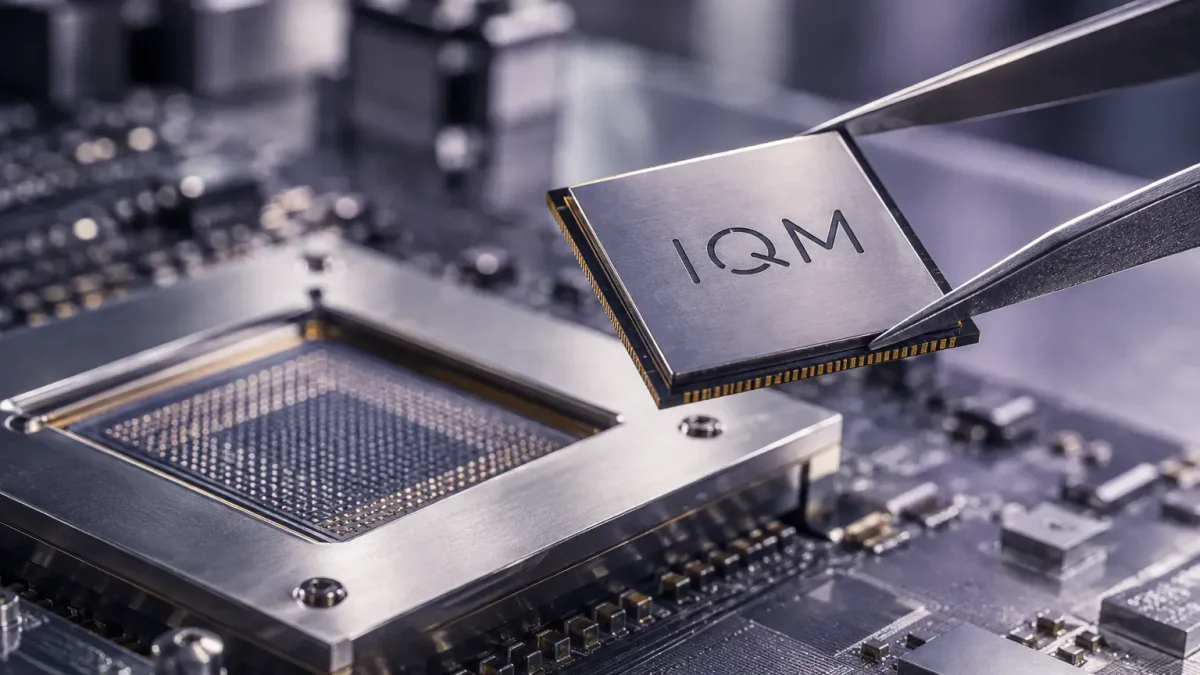
IQM Unveils Halocene Quantum Computer Upgrade Program Without Downtime
IQM has introduced an upgrade program for its Halocene quantum computers. The company plans to transition from 150-qubit systems to future models with over 1000 qubits, installing new equipment alongside the existing systems. Integration with supercomputers, task schedulers, and GPU infrastructure is also planned.

Apple Launches Medical AI Study Involving Up to 200,000 People
Apple, in collaboration with OpenEvidence, has launched the Health AI Usage Study focused on the use of medical AI chatbots. Up to 200,000 residents of the U.S. can participate in the project. The company aims to examine the quality of AI responses, user trust levels, and the impact of such tools on understanding medical information.

Technologies for a Quantum Computer with 100 Qubits are Being Developed in the Netherlands
QuiX Quantum has led a research consortium that will focus on developing components for photonic quantum systems. The work is scheduled to continue until the end of 2028 and is funded through the PhotonDelta program. In the future, the company intends to use the results to create fault-tolerant quantum processors.

CryptoQuant Study: Bitcoin Increased in 7 out of 10 Similar Historical Scenarios
CryptoQuant analyst examined ten historical periods most similar to the Bitcoin situation on November 6, 2026. In seven cases, BTC was worth more after 90 days, while in three it lost between 32.8% and 43.1%. However, the small sample size and significant intermediate drawdowns do not allow these results to be considered a reliable forecast.

Tencent Launches Language Model Hy4 with Computer Control Capabilities
Tencent has released Hy4, which allows users to control computers via command line and graphical interface. The model analyzes images and graphics and has been trained to work with Blender and CAD. Access through cloud services is already available, and the company plans to publish the weights of the full version and safety documents later.

Ultimate Resilience Study: 44% of HR Professionals Show Symptoms of Depression, 62% Are Close to Burnout
According to the Ultimate Resilience study, 44% of surveyed HR professionals exhibit clinically significant symptoms of depression, and 62% assess their risk of burnout as very high. The main causes of stress are overload, poor management, and lack of support. Only 13% of participants believe that their employer cares enough about their psychological well-being.

Inverse Game Theory Could Make AI Follow the Rules
A new approach known as inverse game theory, or mechanism design, seeks rules under which compliance with the law becomes the most rational choice for powerful AI models. Previous alignment methods—reading the model's 'thoughts' and teaching values—have not worked well. Researchers propose restructuring incentives.

Ipsos Study: Only 4% of Americans Trust Crypto Exchanges
48% of Americans trust credit unions, 42% trust large banks, while only 4% trust crypto exchanges. The share of those who have ever owned cryptocurrencies has risen to 22%, but the number of active users has remained at 13% over the year. 40% are willing to try DeFi.