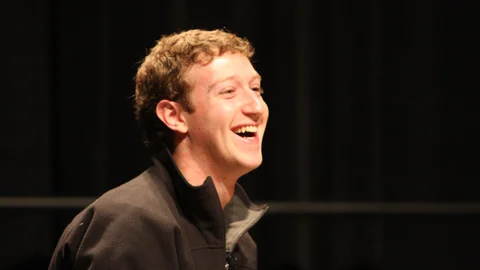

Meta CEO Mark Zuckerberg spoke out against a coordinated slowdown in the development of advanced artificial intelligence systems. In his opinion, each lab should independently determine the pace necessary for the safe training of models.
Zuckerberg believes that AI companies already have a natural incentive to enhance the safety of their products: users will not choose agents that act against their intentions. Therefore, trust and alignment of AI with human goals become competitive advantages. At the same time, the head of Meta reported that the company had previously slowed down the release of Muse – the launch of the AI agent was postponed for several months to focus on safety and system protection. Zuckerberg emphasized that Meta did this independently and did not require a similar pause from other market participants.
On September 9, Meta finally opened access to Muse. The agent is capable of working with email, calendar, browser, and connected services. The company stated that it operates in a dedicated cloud virtual machine, and actions with external platforms are monitored by a separate agent, Sentinel. Meta also offered up to $300,000 for discovering vulnerabilities in the system. The slowdown of Muse was not the only instance where Meta's AI plans shifted relative to initial expectations. Earlier, Zuckerberg acknowledged that the development of AI agents did not accelerate as quickly as the company's leadership had hoped. Against the backdrop of weaker-than-expected performance growth, Meta also abandoned a second wave of large-scale personnel reorganization.
Zuckerberg's statement came amid discussions about the need to slow down the development of the most powerful models. Anthropic CEO Dario Amodei previously proposed a three-phase plan that includes independent audits and coordination among leading AI companies. The initiative was supported by OpenAI CEO Sam Altman and Elon Musk.
Related articles