Nvidia Suspends AI Server Shipments to Four Southeast Asian Countries

American company Nvidia has instructed manufacturing partners to halt shipments of servers with advanced artificial intelligence accelerators to Malaysia, Singapore, Thailand, and Indonesia. The decision is related to the tightening of U.S. export regulations aimed at limiting Chinese companies' access to high-performance computing resources.
This was reported by the Financial Times on November 26, citing three informed sources. Among the affected manufacturing partners, the publication names Dell Technologies and Super Micro Computer.
U.S. Restricts China's Access to Overseas Data Centers
Southeast Asian countries have become important centers for hosting computing infrastructure used by Chinese artificial intelligence developers. Amid restrictions on the direct import of advanced American processors, companies have rented computing power from overseas cloud providers.
On November 19, 2026, new rules from the U.S. Department of Commerce's Bureau of Industry and Security (BIS) came into effect. They impose additional licensing requirements for the supply of advanced semiconductors to Indonesia, Malaysia, Singapore, Thailand, and Brazil.
Operators of overseas data centers already providing computing services subject to the new restrictions must obtain the necessary licenses within 90 days.
Export Restrictions Create Additional Risks for Nvidia
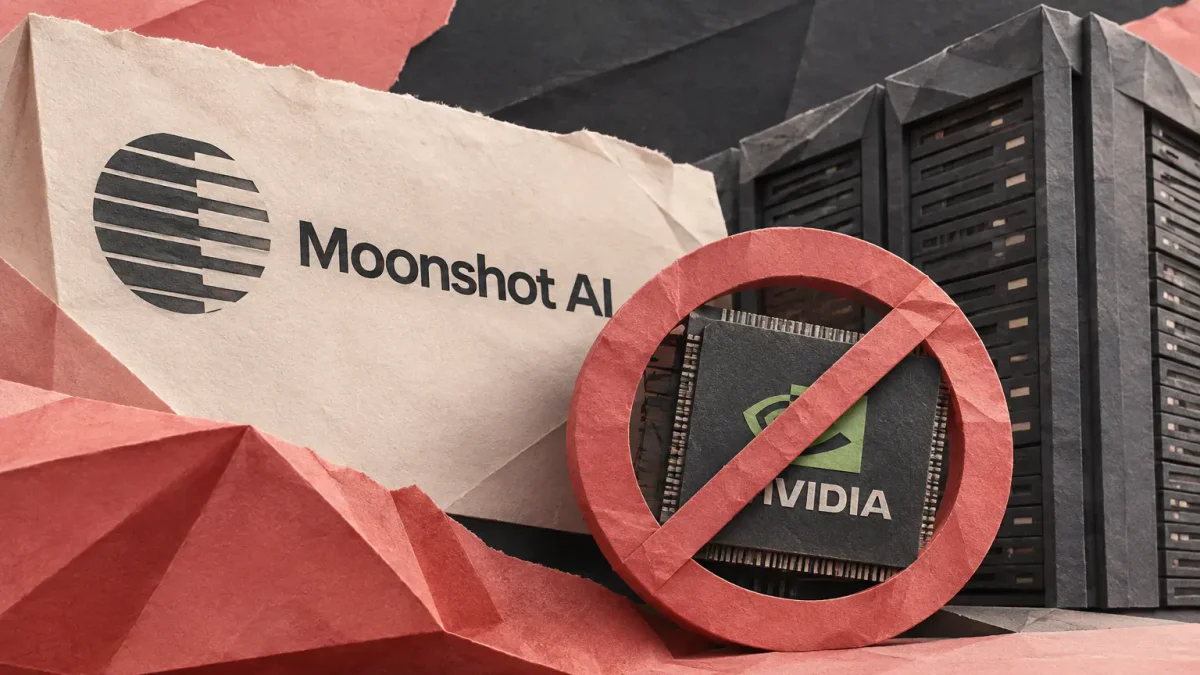
The impact of the new requirements is already affecting Chinese artificial intelligence developers. It was previously reported that the company Moonshot AI abandoned a $150 million deal, which involved renting computing power with Nvidia Blackwell Ultra B300 accelerators through a data center in Indonesia.
The suspension of server shipments may lead to a revision of the timelines for infrastructure projects in Southeast Asia. For Nvidia, the changes create additional uncertainty regarding order fulfillment and future equipment sales in the region.
It is not yet known how long the suspension of shipments will last. As of the time of publication, Nvidia has not officially commented on the Financial Times report. The further situation will depend on obtaining the necessary licenses and the adaptation of the company's manufacturing partners to the new export requirements.
This material is prepared solely for informational purposes and does not constitute financial advice or a recommendation.