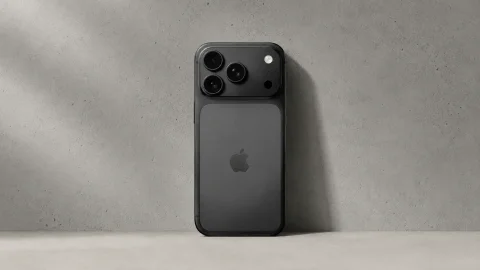

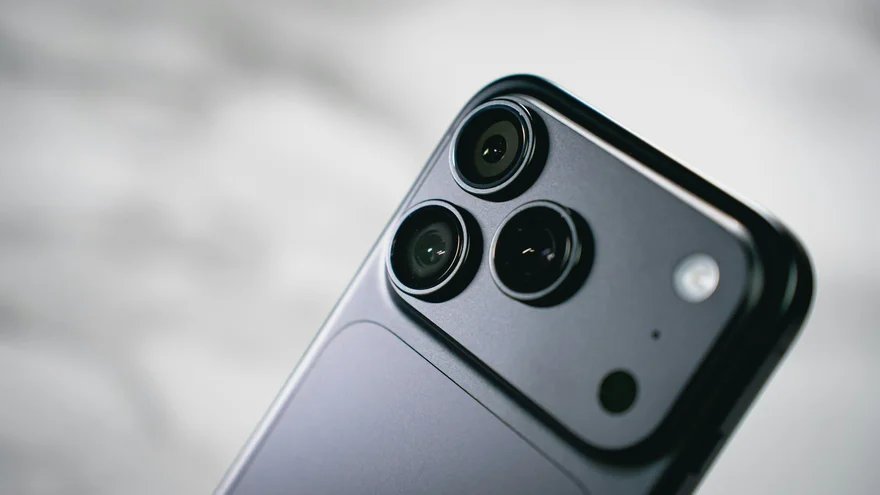
The main structural innovation of the iPhone 18 Pro and Pro Max cameras is the variable aperture, which allows for changing the amount of incoming light and more precise control over the depth of field. This can be particularly noticeable in portrait photography and low-light conditions. However, the mechanism's design is so complex that servicing it is practically inaccessible for regular repairs. iFixit specialists, who disassembled both smartphones, found a system of six overlapping blades inside the lens. Each blade is about as thick as a human hair, so even a minor error during disassembly or reassembly can disrupt the entire structure's operation. This involves not only miniature parts but also precise fitting of elements, adhesive bonds, and very small permissible deviations.
Theoretically, it is possible to replace or restore individual components of the aperture, but in practice, such an operation requires specialized equipment and experience with micromechanics. iFixit notes that the repairer must simultaneously consider the position of the parts, the specifics of the adhesive bonds, and strict mechanical tolerances. Even after careful disassembly, there is no guarantee that the unit can be reassembled with its original precision. Therefore, in case of a mechanism malfunction, the most realistic option is to replace the entire camera module. This increases the potential repair cost compared to simpler designs, as the camera now contains an additional movable system. For self-servicing, such a unit remains practically inaccessible, especially without professional tools and corresponding experience.
At the same time, the variable aperture is not a fundamentally new technology for smartphones. Samsung used a similar solution in the Galaxy S9, introduced in 2018, but later abandoned it in subsequent device generations. In the case of the iPhone 18 Pro, Apple returned to mechanical aperture control, integrating it directly into the compact camera module. This expanded the optical capabilities but simultaneously increased the number of parts that could potentially fail. Thus, the new lens demonstrates a typical compromise of modern mobile technology: the more complex the miniature optical system becomes, the harder it is to service its individual elements. The iFixit teardown shows that six tiny blades can turn a simple camera replacement or repair into a high-precision micromechanical operation.
Related articles