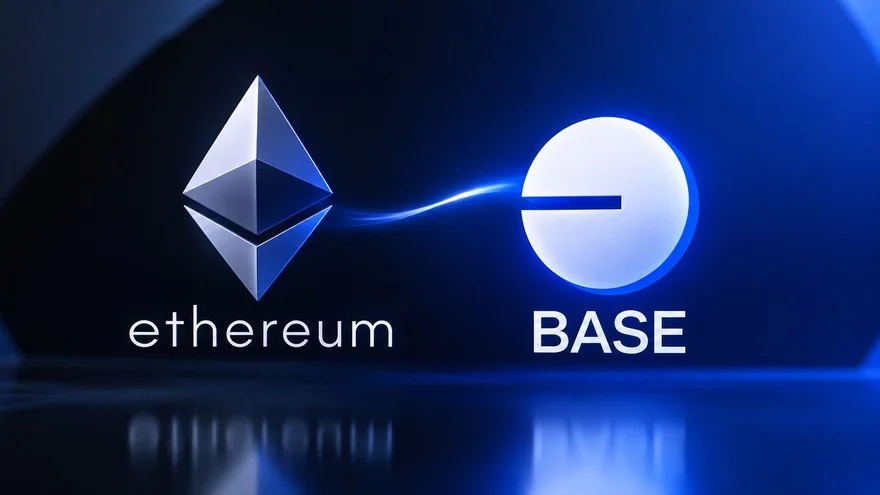
Ethereum and Base developers have ceased joint efforts to create a unified account abstraction standard. According to Ethlabs researcher Derek Chiang, the work to reconcile EIP-8130 and EIP-8141 concluded last week due to differences in priorities and goals of both teams. Chiang noted that both initiatives aimed to simplify user interaction with crypto wallets, including the ability to conduct transactions without the need to hold Ethereum for gas payments. However, Ethereum developers focused on censorship resistance, privacy, and security, while Base concentrated on scalability, customization, and regulatory compliance. In attempts to align the proposals, each side faced the need to compromise, ultimately leading to the abandonment of a joint approach.
As a result, EIP-8141 will continue as part of the Hegotá update on Ethereum, while EIP-8130 is being developed separately for Base. This means wallet developers may need to support two different transaction formats, increasing their workload. However, Chiang expressed hope that clients could receive a consistent user experience if wallet developers can effectively manage the emerging differences. According to him, "we found a number of technical solutions, but each required one side to compromise on key goals."
The main difference between the proposals is that EIP-8141 breaks down a transaction into programmable stages, or "frames," which verify the sender, determine the fee payer, and execute user-specified actions. This will allow changing the way operations are confirmed without the need to transfer assets to a new address and will support batch operations. Meanwhile, EIP-8130 proposes storing account configuration, including authorized keys and confirmation methods, in a separate on-chain Keystore storage. Thus, each side will continue to develop its approaches, meaning developers will need to adapt their solutions to multiple standards, finding ways to ensure consistent user interfaces across both platforms.
Related articles