The share of meme coins in the altcoin market has fallen to a record 2%
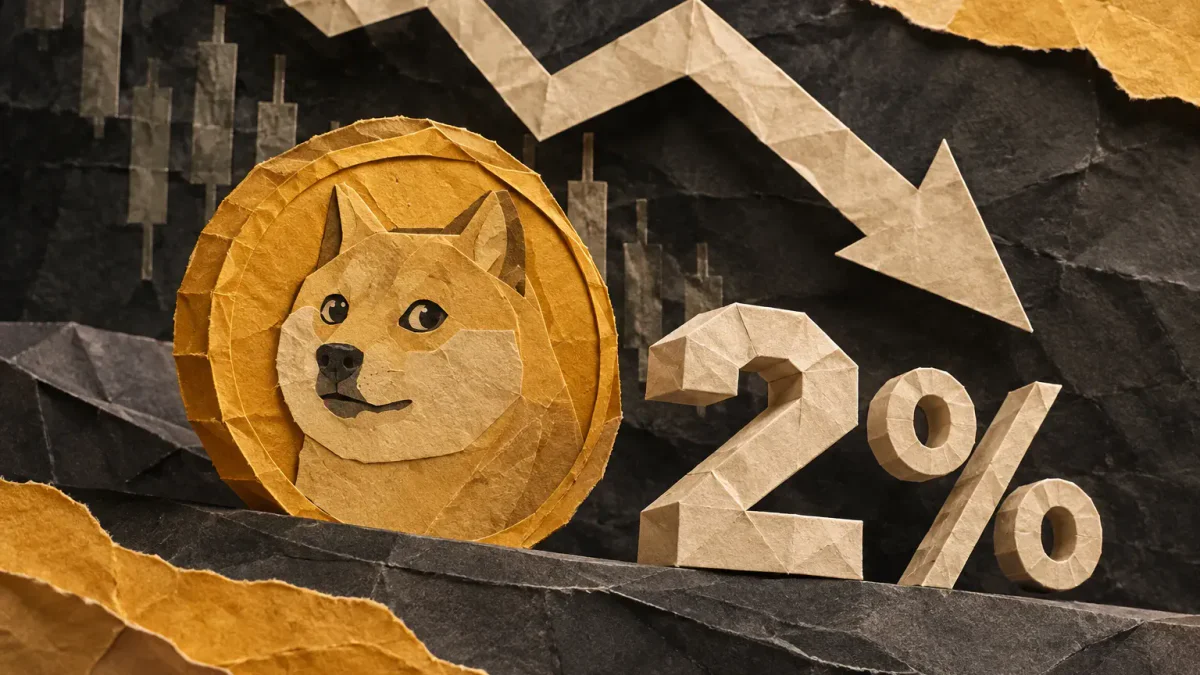
The share of memecoins in the total capitalization of altcoins has fallen to a historic low amid ongoing demand reduction and selling pressure.
According to the analytical platform CryptoQuant, in November 2024, memecoins accounted for about 11% of the altcoin market. By November 24, 2026, this figure had decreased to approximately 2%.
Simultaneously on Binance, the accumulated excess of memecoin sales over purchases reached about $1.5 billion.
Why the share of memecoins has fallen to a minimum
CryptoQuant analyst under the pseudonym Darkfost notes that the memecoin sector has been experiencing sustained selling pressure since October 2025.
According to Binance, in July 2026, the accumulated imbalance between memecoin sales and purchases was about $1.2 billion. By November, the figure had increased to $1.5 billion.
The decline has affected various market segments. In particular, since the end of August, the total capitalization of the memecoins in the Solana ecosystem has approximately halved.
At the same time, the weakening of memecoins is occurring against the backdrop of a general decline in altcoins.
According to CryptoQuant, from the September peak, the total capitalization of cryptocurrencies excluding Bitcoin has decreased by approximately 34%, or $408 billion.
Only 19% of Binance altcoins maintain a long-term upward trend
According to Darkfost, only 19% of altcoins on Binance are trading above their 200-day moving average.
In September, this figure reached approximately 90%.
The 200-day moving average is used to assess the long-term dynamics of an asset. Trading below this level is usually seen as a sign of weakness in the price trend, although it does not in itself allow for predicting further movement.
The analyst links the deterioration in the position of altcoins to the decline in Bitcoin's value and the reduced willingness of investors to take risks.
An additional sign of weak demand remains the lack of new net inflows into U.S. spot exchange-traded products for Dogecoin since the end of September.
Large holders continue to accumulate certain tokens
Despite the overall market decline, some large participants continue to move memecoins from centralized exchanges.
For example, a recently created large cryptocurrency wallet withdrew Pepe (PEPE) tokens worth about $10.5 million from Binance in less than a week.
Such operations may indicate an intention to store assets off-exchange, but they do not in themselves confirm the formation of sustainable demand.
According to Darkfost, high volatility and insufficient liquidity continue to complicate altcoin trading.
Security risks increase uncertainty
An additional risk factor for cryptocurrency market participants remains the increase in the number of cyberattacks.
According to DefiLlama, from the beginning of 2026 to November 24, there were 367 hacks and other security incidents—almost three times more than in the same period of the previous year.
This statistic pertains to the cryptocurrency industry as a whole, not directly to memecoins.
Darkfost believes that the combination of high volatility, low liquidity, and security threats worsens the risk-to-reward ratio for altcoin investors.
Thus, the reduction of the memecoin share to 2% reflects the weakening of the sector relative to the rest of the altcoin market. Further dynamics will depend on the overall state of the crypto market and the recovery of buyer demand.
This material is prepared solely for informational purposes and does not constitute financial advice or a recommendation.