South Korea Plans to Allow ICOs After Nine-Year Ban
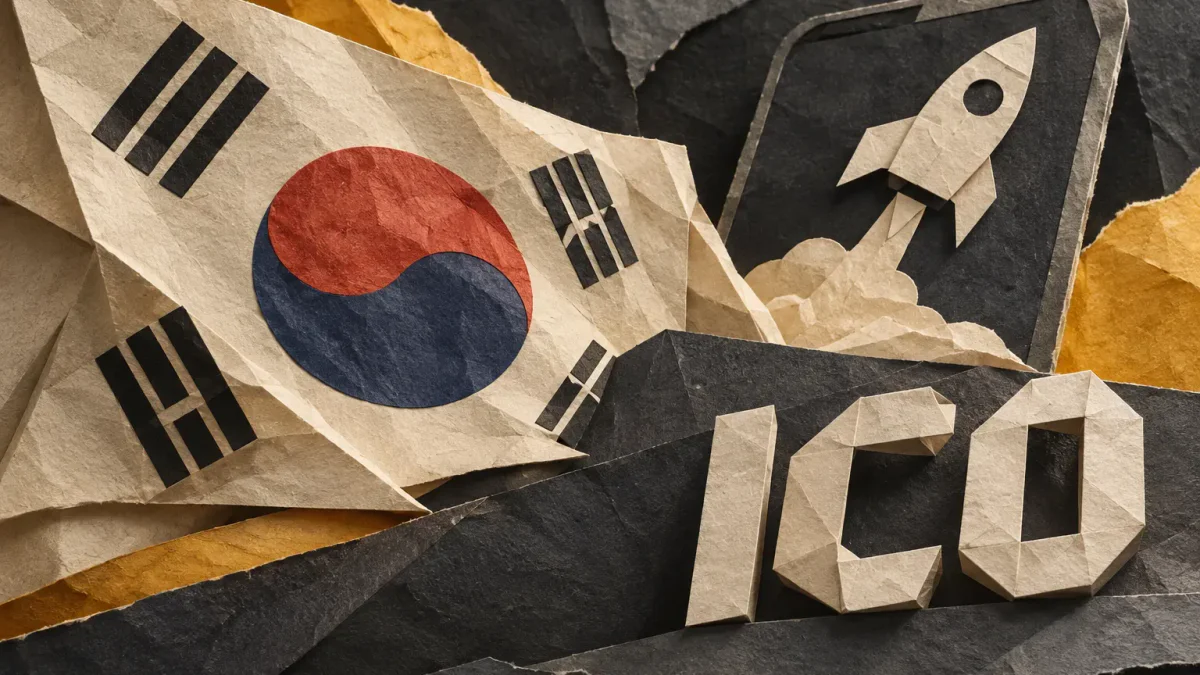
The Financial Services Commission of South Korea (FSC) has introduced a legislative proposal to resume initial coin offerings (ICOs) within the country. The new rules require mandatory disclosure of information before raising investments and separate requirements for listing digital assets. Parliamentary hearings are scheduled for December 3.
How ICO rules will change
According to the FSC proposal dated November 24, token issuers or brokers participating in their initial offering will be required to submit a white paper on the crypto asset to the regulator. This document must disclose information about the project, the volume of token issuance, the intended use of the raised funds, and investment-related risks.
The FSC may require corrections to the document if significant information is missing. After its acceptance and publication, the issuer will need to observe a set waiting period before starting to attract buyers. The duration of this period has not yet been determined.
To allow tokens for secondary trading, cryptocurrency exchanges will need to submit separate reports containing information about the issuer, the project, the volume of issuance, and risks. Significant changes, including adjustments to the token offering, cyber incidents, and technical failures, must be disclosed immediately.
The legislative proposal also provides for liability for damages related to the provision of significantly false information or its non-disclosure.
Why South Korea is reconsidering the ICO ban
The ban on domestic ICOs has been in effect in South Korea since September 2017. However, cryptocurrency trading continued, and some local blockchain companies began raising funds through foreign legal entities.
In January 2019, the FSC published the results of an inspection of 22 companies that conducted overseas token offerings. The total amount of funds raised in the cases reviewed by the regulator amounted to approximately 566.4 billion won.
The inspection revealed insufficient disclosure of information about the financial condition of the projects, company structures, and the use of raised capital.
Resuming domestic ICOs could create a regulated mechanism for attracting investments, where issuers would be required to provide information about projects directly to the South Korean regulator.
Separate requirements for stablecoin issuers
The FSC's legislative proposal also provides for the creation of a separate regulatory regime for digital payment tokens pegged to the value of a single currency.
Issuing and redeeming such tokens will require an FSC license. The minimum equity capital of domestic issuers must be 5 billion won.
Initially, the issuance of payment tokens is proposed to be allowed for consortia where the combined share of banks exceeds 50%. Meanwhile, technology and fintech companies can act as the largest individual shareholders of such organizations.
The proposed changes are part of a broader financial regulatory reform in South Korea. Previously, the country's authorities also introduced rules for the circulation of tokenized securities.
The upcoming parliamentary hearings should determine the further direction of the reform. Until the law is passed and its implementation procedure is approved, the current ban on domestic ICOs remains in effect.
This material is prepared solely for informational purposes and does not constitute financial advice or a recommendation.