

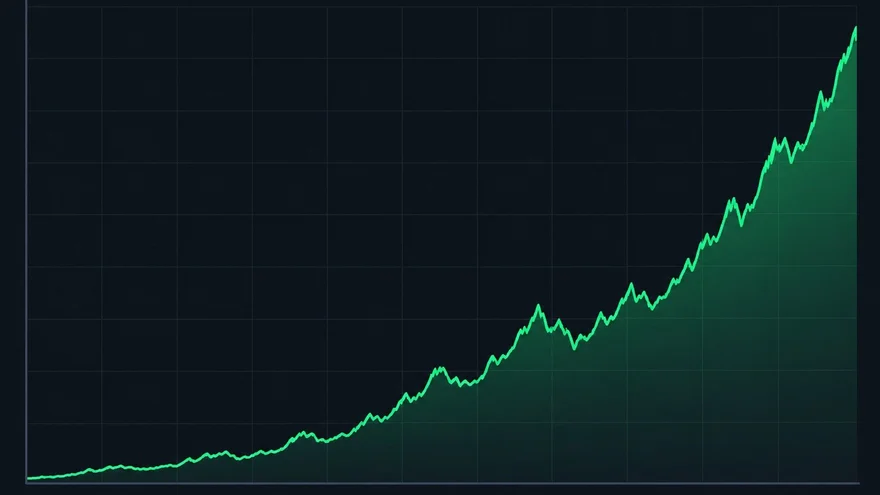
According to Pantera Capital, the tokenized assets market as of June 30, 2026, amounted to $331.8 billion, corresponding to a study covering 671 assets. Despite a 2.3% decrease in the value of stablecoins, the segment of other tokenized assets increased by 13.3% during this period. According to the report, the total value of assets in the first half of 2026 decreased by 0.8%, dropping from $334.5 billion to $331.8 billion. At the same time, the value of stablecoins fell from $302.4 billion to $295.5 billion, while non-stablecoin assets grew from $32 billion to $36.3 billion. The share of stablecoins in the total volume also decreased from 90.4% to 89.1%.
The growth of tokenized assets is occurring in several categories, including an increase in the volumes of tokenized US Treasury obligations by $3.5 billion, tokenized stocks, and corporate credit by $1.1 billion each. At the same time, the volumes of tokenized stocks decreased by $28 million, and commodity assets – by $2.6 billion. Institutional players such as J.P. Morgan, HSBC, and Fidelity have increased their activity and launched their own on-chain products in the past quarter. BlackRock also showed activity, moving $441 million on-chain in June, utilizing a daily redemption mechanism of $1 billion.
Robinhood, in turn, launched Robinhood Chain on July 1, 2026, offering tokenized stocks of companies like NVIDIA, Apple, and Tesla, as well as ETFs. According to Pantera Capital, the value of tokenized assets on Robinhood Chain grew from $5.6 million at the end of June to $28.4 million at the end of July, while the volume of RWA trading in August reached $887.5 million. Simultaneously, the volume of perpetual contracts trading on stocks in June amounted to $67.8 billion, which is 16 times more than the on-chain spot trading of tokenized stocks, which amounted to $4.2 billion. Pantera Capital noted that this data should be interpreted with caution, as derivatives can use leverage and allow frequent opening and closing of positions without actual ownership of the underlying asset. Regarding regulatory changes, Pantera pointed out that on September 15, the Senate did not advance the CLARITY Act, leaving questions about broader regulation of digital assets open. Also, on September 17, the SEC introduced a five-year conditional exemption for certain platforms and liquidity providers that facilitate trading of tokenized US stocks under certain conditions.
Related articles