

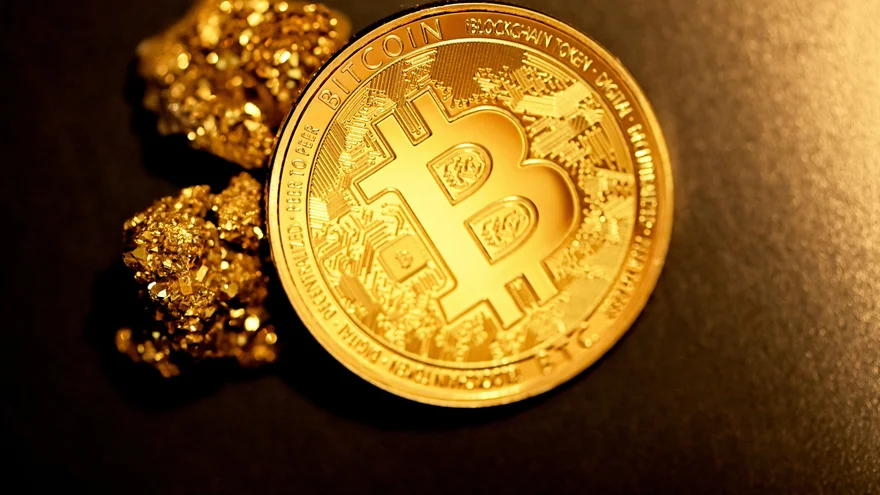
JPMorgan analysts examined the situation in the ETF market related to Bitcoin and gold, highlighting a noticeable difference in demand for hedging instruments. According to their assessment, following the Federal Reserve's meeting at the end of July, both segments experienced a simultaneous influx of capital amid a return to strategies aimed at protecting against currency devaluation. However, after the September interest rate change in the U.S., this dynamic weakened. Among the factors, analysts noted the rise in real bond yields and uncertainty surrounding cryptocurrency market regulation.
At the same time, the flow of funds into the two categories of funds recovered unevenly. According to JPMorgan, gold ETFs have already compensated for the entire outflow recorded since the beginning of the year, while Bitcoin products have recovered about half of the lost funds. Concurrently, demand for cryptocurrency funds has decreased, although analysts allow for a change in the situation with an improvement in the market backdrop. The positioning of participants in the Bitcoin and gold futures markets remains high, which, according to the bank, indicates sustained interest from institutional investors in both instruments.
The main difference JPMorgan attributes to the activity in hedging through ETFs. Short interest in the BlackRock iShares Bitcoin Trust ETF (IBIT) is near its highest levels since the beginning of the year, while the corresponding figure for the largest gold fund, SPDR Gold Shares ETF (GLD), remains below the historical average. An additional indicator is the ratio of open interest in put and call options: for IBIT, it is higher than for GLD. JPMorgan believes that this market structure indicates a higher demand for protective positions in Bitcoin and ongoing skepticism from some investors compared to gold.
Related articles