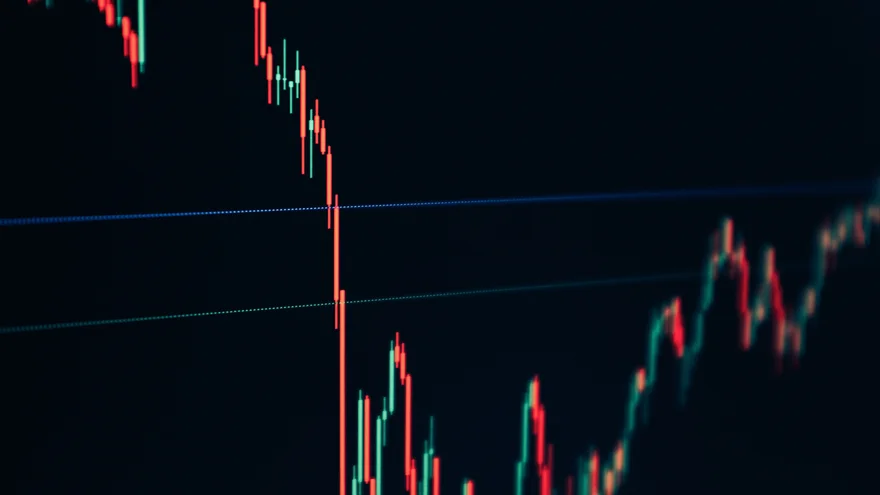

The price of the cryptocurrency XRP has decreased to the range of $1.34–$1.37, which is associated with a lack of volatility on daily charts. According to TradingView data, the Bollinger Bands have narrowed and are nearly horizontal, indicating a state of "anti-volatility" for XRP. Historically, this state has preceded a market lull that could last up to 240 days.
Recently, market participants, including major players and speculators, have been cautious ahead of key events expected next week. In particular, on September 15, the U.S. Senate will vote on the CLARITY bill, which has slowed market activity, leading to a 93% drop in inflows into XRP ETFs. Additionally, on September 16, the Federal Reserve will announce its decision on the interest rate amid rising inflation in the U.S., where the Producer Price Index (PPI) has increased to 5.4%, and the price of Brent crude oil has exceeded $107. The situation creates conditions for significant capital to move into safer assets — cash.
Despite this pressure, the level is being supported by a shift in sentiment among XRP holders. According to the analytical platform CryptoQuant, on September 9, there was a peak in coin inflows to exchanges, followed by a sharp outflow. Within one day, XRP reserves on one of the largest exchanges, Binance, fell to 2.631 billion tokens. The price drop to $1.33 prompted traders to halt sales and begin withdrawing their assets from trading platforms in anticipation of new news. Based on past accumulation periods of XRP, there are two key time windows during which the asset may remain in sideways movement: a short cycle lasting from 79 to 89 days, which could end by late November or early December 2026, and a macro cycle that could stretch up to 240 days, in which case XRP may exit the current consolidation only in spring 2027.
Related articles