Changpeng Zhao Sees Main Demand for Tokenization of US Stocks Outside the Country
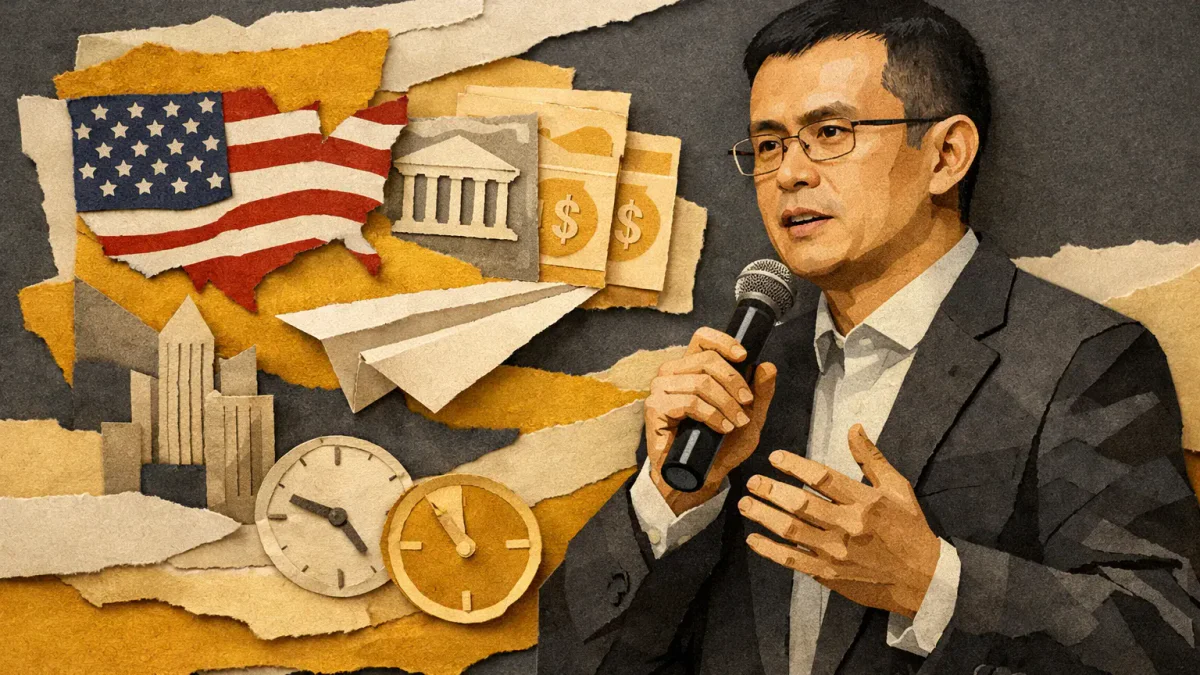
Binance founder Changpeng Zhao believes that the main interest in tokenized shares of American companies is concentrated not in the US, but abroad. In an interview with The Rollup on October 27, he explained this by the limited access of some foreign investors to American brokers and the inconvenient trading hours of Wall Street. In his opinion, tokenization will allow US stocks to be traded on the blockchain around the clock, and companies from countries with illiquid markets will be able to attract international investors.
Statistics partially confirm this thesis. According to Binance Research, about 70% of bStocks turnover was provided by users from emerging and frontier markets, and 56% of trading occurred outside the main session of American exchanges. In certain periods, the figure reached 92%, with activity increasing at the start of the Asian day. The data comes from an interested market participant, but the main idea is confirmed. Nasdaq plans to trade stocks 23 hours a day, five days a week, starting December 6.
The most controversial statement by Zhao is that most people outside the US cannot open an American brokerage account. There is an access problem: it all depends on the country, laws, sanctions, banking infrastructure, and broker policy. However, Interactive Brokers operates in more than 200 countries and territories, and in many countries, US stocks are available through local brokers. Tokenization does not eliminate geographical barriers: xStocks are available in 100+ countries, but Kraken does not offer them to clients from the US, UK, Canada, and Australia.
Listing a token does not create liquidity. Zhao's example of countries with 100+ million population and $50 million daily turnover cannot be verified: the country is not named. A market needs buyers and sellers, market makers, a price formation mechanism, storage of underlying stocks, token redemption, and legally secured investor rights. The SEC warns: a token from a third-party organization does not necessarily provide the same rights as a regular stock.
This material is prepared solely for informational purposes and does not constitute financial advice or a recommendation.
Related articles