Ethereum Economic Zone Showed Cross-Network Exchanges in a Single Transaction
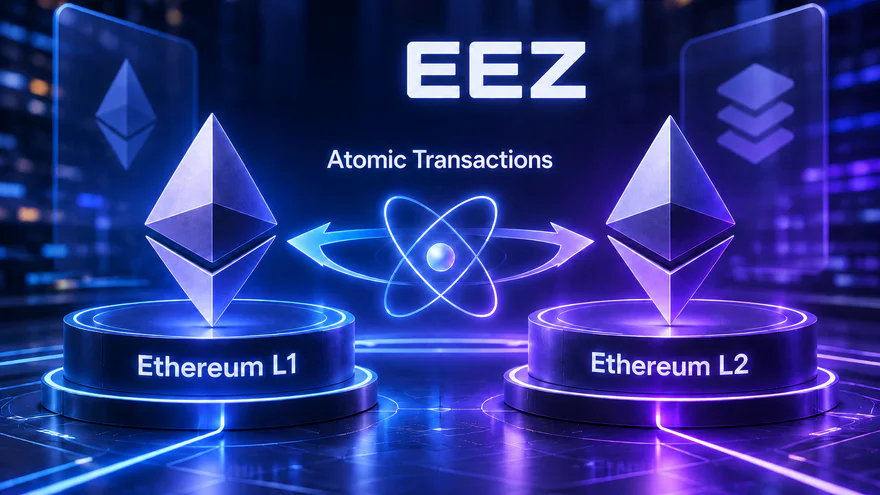
On November 4, 2026, the Ethereum Economic Zone (EEZ) team presented three technical demonstrations at the Devcon conference in Mumbai. Developers showcased how applications on Ethereum's layer-two networks can interact with the main network and perform related actions within a single atomic transaction.
Atomicity refers to the principle where all stages of an operation are executed together or canceled entirely. This mechanism is designed to reduce applications' reliance on individual transfers through cross-network bridges and decrease the risk of operation mismatches.
Token Swaps and Wallet Management
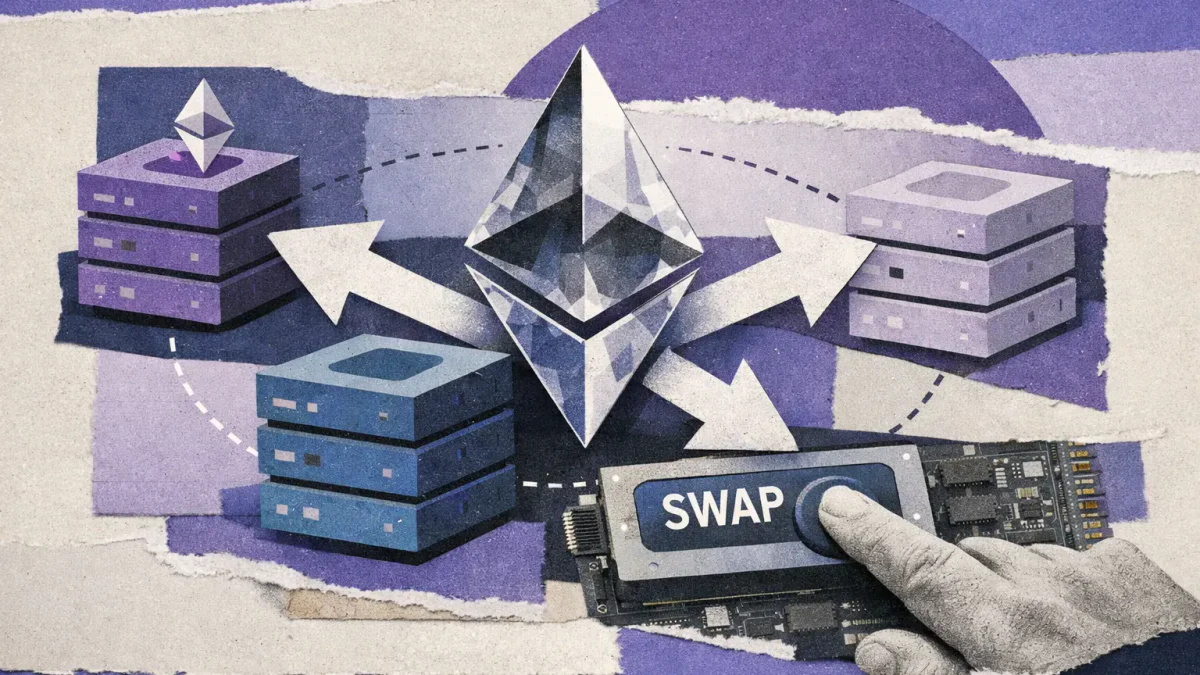
In the first example, CoW Swap had a user in the experimental Rollup X network sign a swap request. The service's algorithms utilized liquidity from the main Ethereum network, and the received tokens were returned to Rollup X within the same operation. According to EEZ, a separate transaction through a bridge, transfer waiting, and user re-signing were not required.
In the second test, the team used Safe, a multi-signature wallet infrastructure. Developers demonstrated coordinated changes in signatories and access rights between the main network and the rollup. This could simplify fund management for organizations with wallets operating across multiple networks.
Quantum-Resistant Signature Verification
The third example involved the Falcon digital signature algorithm, designed to protect against potential quantum computer attacks. The signature was verified in Rollup X, and the result was used to authorize a transfer in the Ethereum main network as part of a single transaction.
According to developers' calculations, direct verification of such a signature in the main network would require about 5.5 million gas units. Moving computations to the rollup reduced gas consumption by approximately 91%. This figure pertains to the specific test, not all Ethereum transactions. The existing network signature system remained unchanged.
EEZ is also linked to plans for transforming the Gnosis Chain into an Ethereum rollup. In August, GnosisDAO approved the GIP-153 initiative, with 123,158 GNO voting in favor. The initial launch is scheduled for late 2026 to early 2027, contingent on technical readiness. The examples presented at Devcon currently demonstrate the capabilities of the developing infrastructure rather than a mass rollout of a new mechanism.
This material is prepared solely for informational purposes and does not constitute financial advice or a recommendation.
Related articles