Rising Wages and Inflation in the U.S. Strengthen Expectations for Fed Rate Hike

Economic activity continues to increase in most Federal Reserve districts in the United States, while companies face rising labor costs and other expenses. Sustained economic growth combined with heightened inflation maintains the conditions for further tightening of monetary policy.
This is stated in the November issue of the Fed's Beige Book, published on November 25. The report was prepared by the Federal Reserve Bank of Atlanta based on information collected up to and including November 16.
Expenses of American companies continue to grow
In eight of the 12 Federal Reserve districts, economic activity increased, while in the remaining four, no significant changes were observed. Most regions expect the positive trend to continue in the coming months.
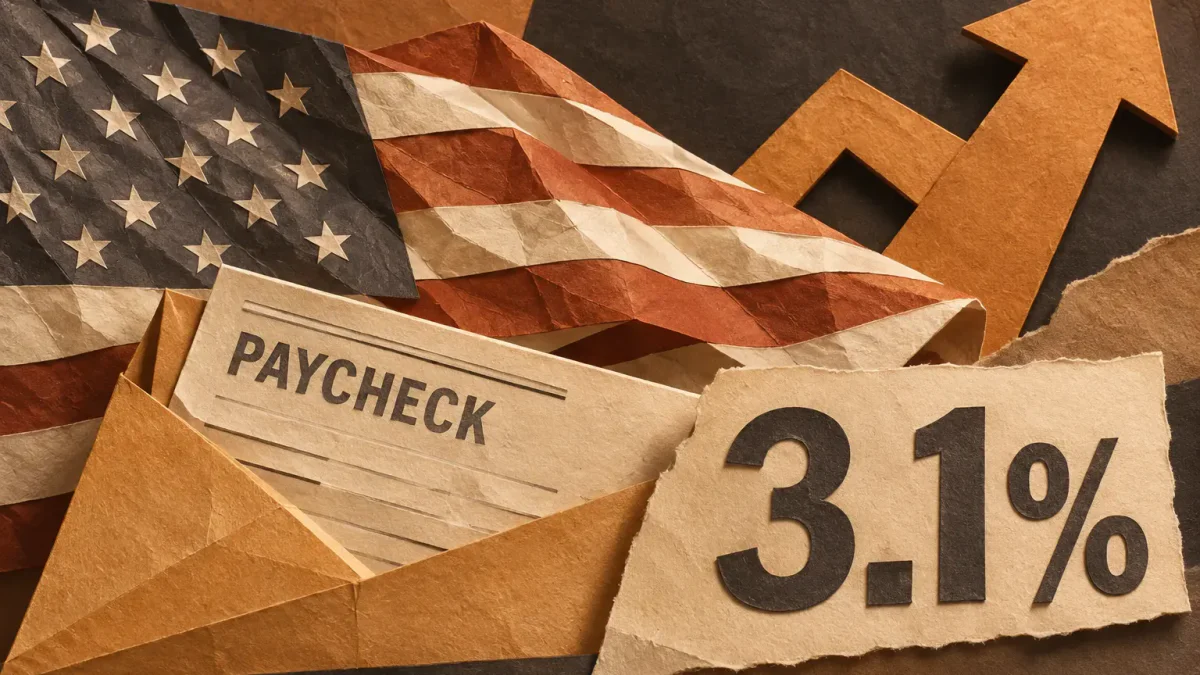
Employment levels slightly increased, but many employers remain cautious about expanding their workforce. Meanwhile, the pace of wage growth and spending on social packages accelerated compared to the previous reporting period. Companies face the greatest difficulties in finding employees for skilled and technical positions.
Additional pressure on businesses comes from expenses on energy, transportation, healthcare, insurance, and import duties. At the same time, companies cannot always compensate for increased costs by raising prices: competition and growing consumer sensitivity to the cost of goods and services hinder this.
Investments in artificial intelligence support the US economy
According to the updated estimate by the US Bureau of Economic Analysis, the country's real GDP grew by 4.3% in the third quarter of 2026 on an annualized basis. The initial estimate was 3.4%, while in the second quarter, the figure reached 2.2%.
Consumer spending and corporate investments were among the main growth factors. The latter showed the highest growth rates since 2020.
The large-scale construction of data centers and the development of computing infrastructure for artificial intelligence support demand for equipment, electricity, and skilled specialists. However, some Fed representatives fear that high investment activity could become an additional source of inflationary pressure.
Inflation remains above the Fed's target level
According to the US Bureau of Economic Analysis, the Personal Consumption Expenditures (PCE) price index rose by 3.8% year-on-year in October. The core index, excluding food and energy, reached 3.3% – the highest level since 2023.
In September, the Fed raised the interest rate for the first time since 2023, and in October, it maintained it in the range of 3.75–4%. However, inflation still significantly exceeds the regulator's target level of 2%.
Financial market participants expect another rate hike of 25 basis points following the meeting on December 8–9. If this scenario is realized, the target range will increase to 4–4.25%.
For financial markets, not only the December decision but also the Fed's further plans will matter. Maintaining high interest rates could increase the cost of corporate financing, limit investment activity, and put pressure on the valuation of technology stocks and other risky assets.
This material is prepared solely for informational purposes and does not constitute financial advice or a recommendation.