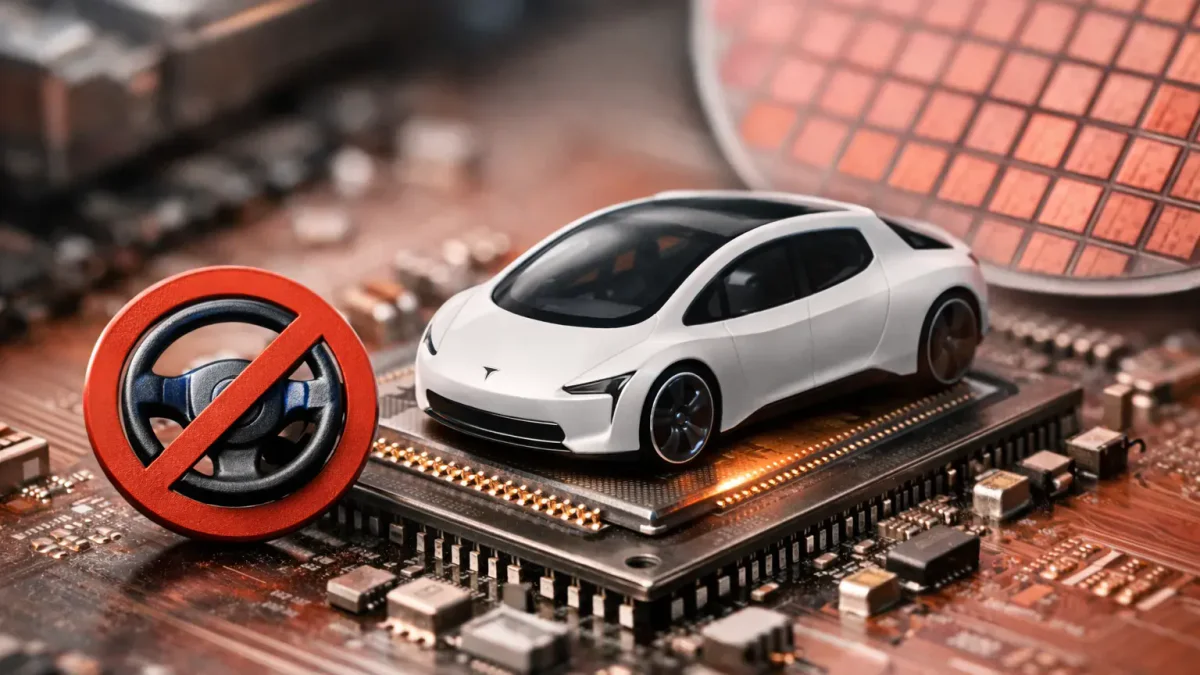
Tesla announced that it will begin selling the Cybercab to customers by the end of 2026, despite an investigation by federal regulators into the vehicle's compliance with safety standards. The two-seat autonomous vehicle, lacking a steering wheel and other traditional controls, was unveiled in 2024.
During the third-quarter earnings call, Tesla's Vice President of Engineering Lars Moravy stated that the company is already producing the Cybercab at the Gigafactory in Texas, but these vehicles are intended for its own robotaxi fleet. He mentioned that sales will start on a small scale, and scaling will depend on how the company learns about ownership and management of a fleet of autonomous vehicles by customers. CEO Elon Musk acknowledged that the "vast majority" of Cybercabs will "essentially be owned by Tesla" and operate in its ride service.
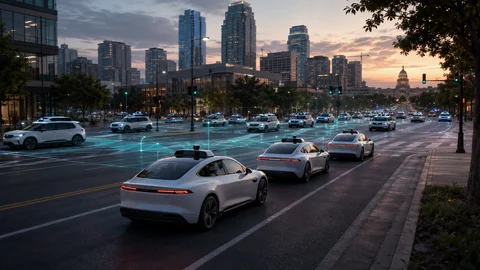
In September, Tesla began offering rides on the Cybercab through the Robotaxi app in Austin, Texas, and is already accepting applications from companies that can help "build the robotaxi network." Since the Full Self-Driving version without supervision is not yet available to consumers, the first sold Cybercabs cannot be added to the company's fleet. Tesla owners can currently only access the FSD (Supervised) version, which requires a driver behind the wheel. Tesla's Director of AI Ashok Elluswamy stated on the call that the company expects to start including Unsupervised FSD on "some of the first customer vehicles that will enter the Robotaxi fleet" around the second quarter of 2027.
Last month, the U.S. National Highway Traffic Safety Administration (NHTSA) opened an investigation into the Cybercab just hours after the vehicles began operating on public streets in Austin. The agency reported that Tesla self-certified the vehicles' compliance with Federal Motor Vehicle Safety Standards (FMVSS) and plans to examine the process and data used in the certification. FMVSS require manual controls, including brake pedals, as well as rearview and side mirrors. Current regulations do not account for vehicles without manual controls, although the Department of Transportation recently proposed eliminating these requirements for autonomous vehicles. The outcome of the investigation could affect whether Tesla or anyone else can legally operate the Cybercab.
This material is prepared solely for informational purposes and does not constitute financial advice or a recommendation.
Related articles