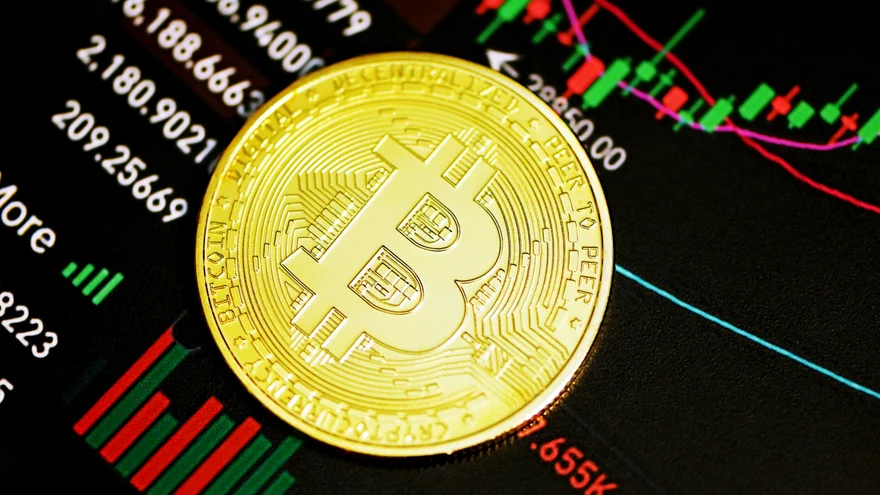


On September 21, the price of Bitcoin exceeded the $85,000 mark for the first time since the end of January. On Binance, quotes reached $85,228, after which the asset slightly corrected and was trading around $84,600 at the time of writing. Over the past 24 hours, Bitcoin has added 5.2%, and most major altcoins have also shown growth. The total capitalization of the cryptocurrency market increased to $2.87 trillion. Analysts linked the movement to changes in the commodity market and a general increase in activity in the risk asset segment. Simultaneously, the volume of forced position closures increased significantly: within 24 hours, liquidations amounted to nearly $750 million, with about $648 million attributed to long positions.
An additional factor in the movement was the liquidation of short positions in Bitcoin. According to analyst Darkfost, nearly $400 million in shorts were forcibly closed in a day, which, in his opinion, became one of the noticeable impulses for the rise in quotes to $85,000. He also considered overcoming the level as a change in the market structure relative to the May peak. Another technical indicator was noted by Galaxy's head of research, Alex Thorn. According to his data, Bitcoin completed the previous week above the 50-week moving average for the first time in about ten months. In a study published in August, Thorn examined five completed bear phases and noted that in four cases, after the price returned above the 50-WMA, new cycle lows were no longer formed. The exception was the decline period of 2021–2022.
Analyst Joe Consorti also paid attention to this indicator. He linked the close above the 50-WMA with the likelihood of completing the current downward phase, but such an assessment is based on historical data and does not allow for a definitive determination of the market's future dynamics. In mid-September, Darkfost also reported another signal, which he interpreted as a possible end to the bear phase, analyzing the behavior of short-term Bitcoin holders. The current growth is accompanied by high activity in the derivatives market, so the price change occurs simultaneously with a large-scale redistribution of open positions. Historical patterns of technical indicators do not guarantee the repetition of previous scenarios.
Related articles