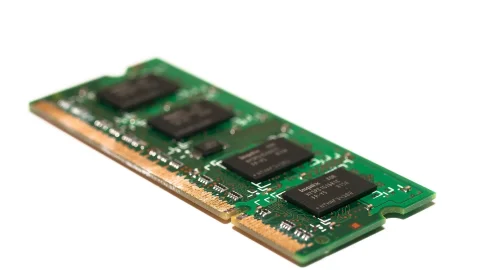


Lip-Bu Tan, CEO of Intel, stated that the global memory shortage will continue to escalate, resulting in project delays and significant price increases for components. Speaking at the AI Infra Summit in Santa Clara, he noted that costs could increase by 5–7 times. Tan emphasized that he had already predicted this issue at the beginning of last year, which he says is becoming increasingly palpable for the entire technology market. This observation confirms that many companies needing memory for their projects are facing significant difficulties.
Despite the growing demand for memory, production capacities remain limited, creating challenges for manufacturers of low-cost smartphones and laptops, leaving them without the necessary components. According to TrendForce, DRAM manufacturers' revenue increased by 59.5% in the second quarter compared to the previous three months. The price increase is linked to the widespread rise in demand, especially from AI infrastructure, which requires higher performance from components. It is expected that in the third quarter, the growth of contract prices for regular DRAM will slow to 13–18% quarter-on-quarter, whereas in the first quarter, the growth rate was 93–98%. The shortage persists, inventories are at historic lows, and newly formed capacities are primarily directed to the server segment, delaying the implementation of many consumer products.
Tan also pointed to the limitations of power and cooling systems as additional obstacles to scaling AI infrastructure. He added that Intel is investing in various cooling methods, including liquid and microfluidic cooling. In his opinion, in the future, manufacturers should consider the entire infrastructure, including power consumption and cooling systems, to adapt to the growing demands of the AI market. SK Hynix CEO Kwak No Jung also expressed concern, stating that 2027 could be the worst year in the industry's history for memory supply, as demand may significantly exceed available production capacities even in the long term.
Related articles