Why a comma in your password doesn't protect against hackers
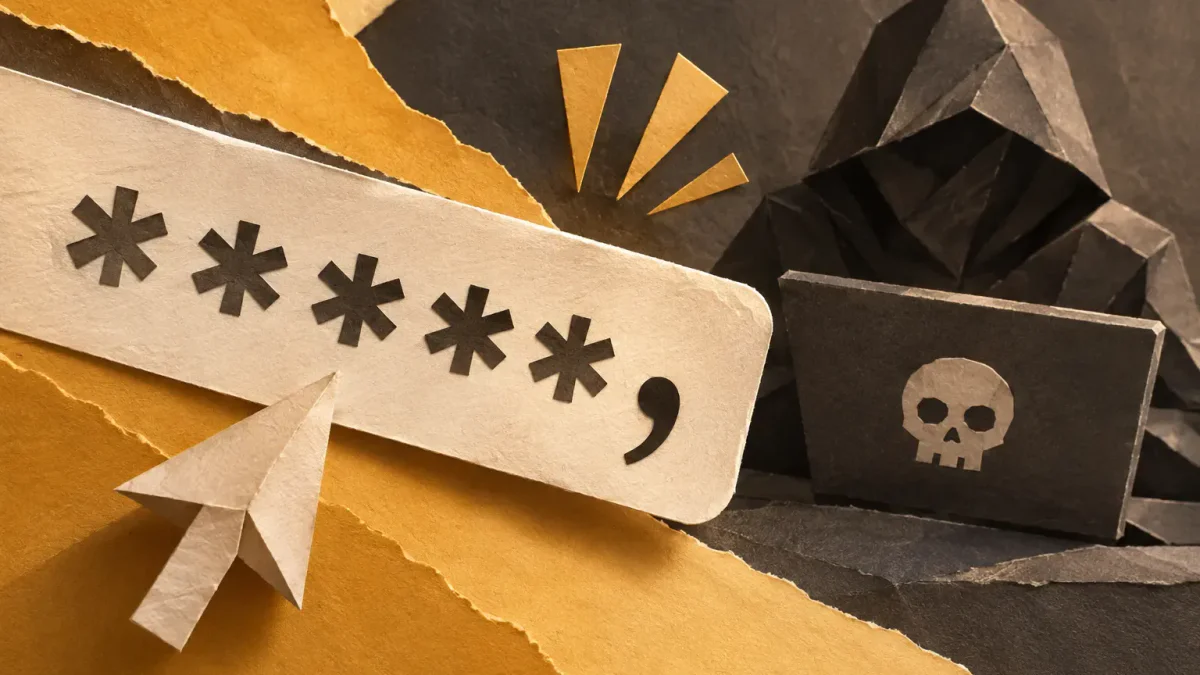
A piece of advice has spread on the social network X to add a comma in passwords to complicate the processing of stolen databases. It was published by the founder of the Fala Will TV project, William Alves, and the message garnered millions of views. However, this measure does not protect the account from leaks and does not prevent attackers from using the obtained password.
Why a comma doesn't break a properly created CSV
The author of the advice refers to the CSV format, where values in a table are often separated by commas. If a password contains this symbol and the file is created with errors, the program may mistakenly split one value into two columns. This is merely an issue of processing an incorrect file, not a protection of credentials.
According to the RFC 4180 format description, fields with commas should be enclosed in double quotes. In this case, the program will read the password in full. Moreover, stolen data may not be stored in CSV, and passwords in properly organized systems are saved as cryptographic hashes, not plain text.
What measures actually reduce the risk of hacking
The American National Institute of Standards and Technology (NIST) recommends using long, unique passwords and password managers. Additional protection is provided by multi-factor authentication, especially methods resistant to phishing. Adding a single comma does not replace any of these measures.
In October, crypto attack damage was estimated at $6.48 billion
According to PeckShield, in October 2026, there were 56 major attacks on crypto projects with a total reported damage of about $6.48 billion. This is 745% more than September's $766.49 million, with the main share attributed to one incident with Binance. The estimate is given before deducting frozen and returned funds. The statistics include various types of attacks and do not prove that stolen passwords were the cause of the losses.
This material is prepared solely for informational purposes and does not constitute financial advice or a recommendation.
Related articles